Sketches at Sea
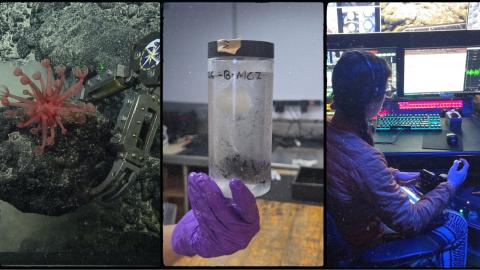
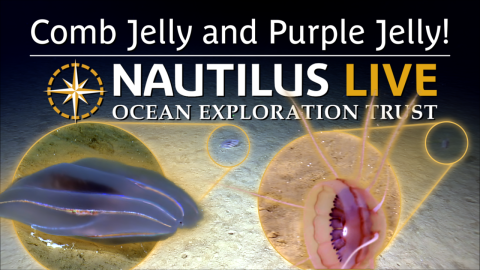
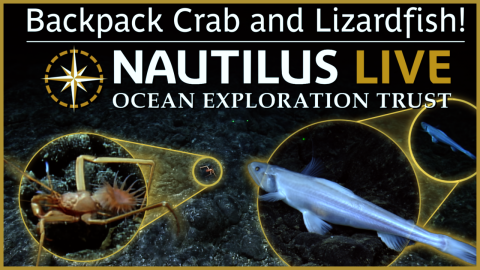
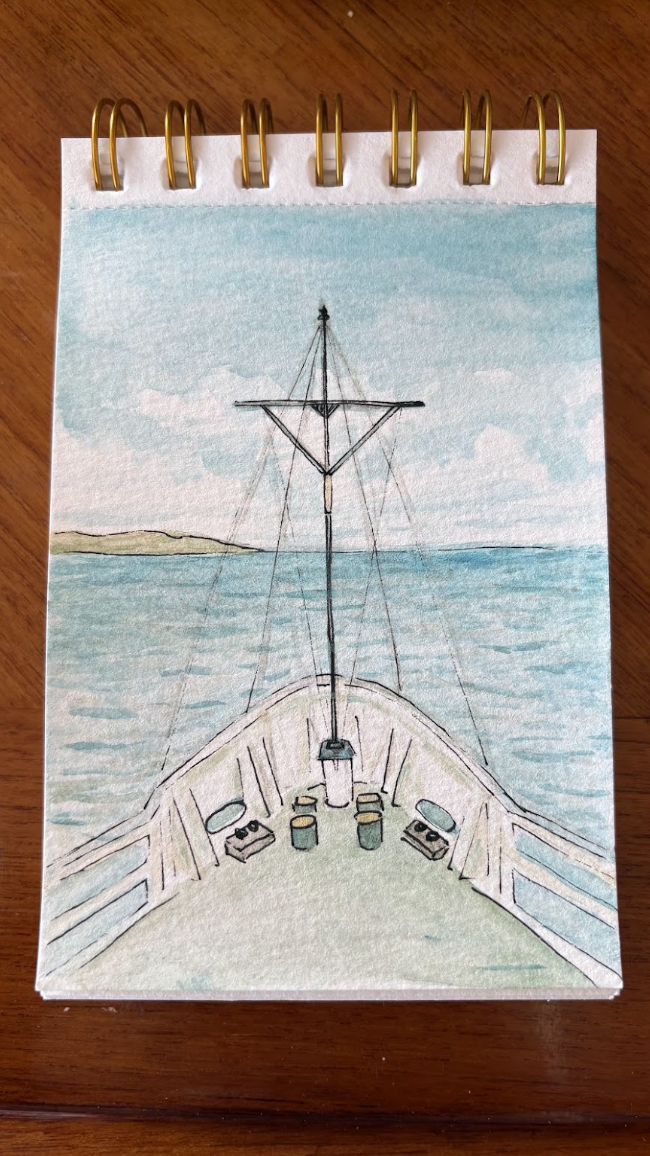
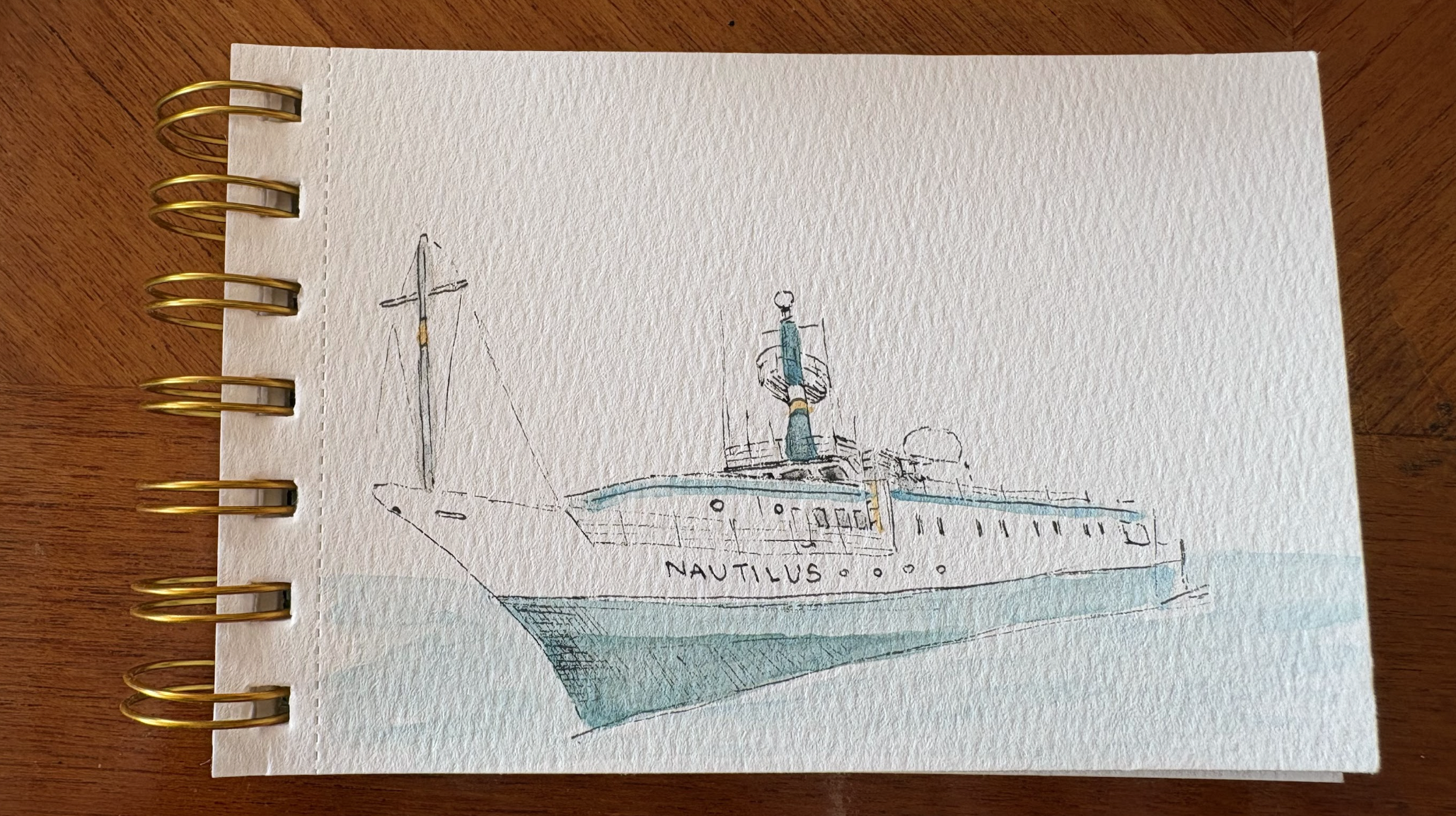
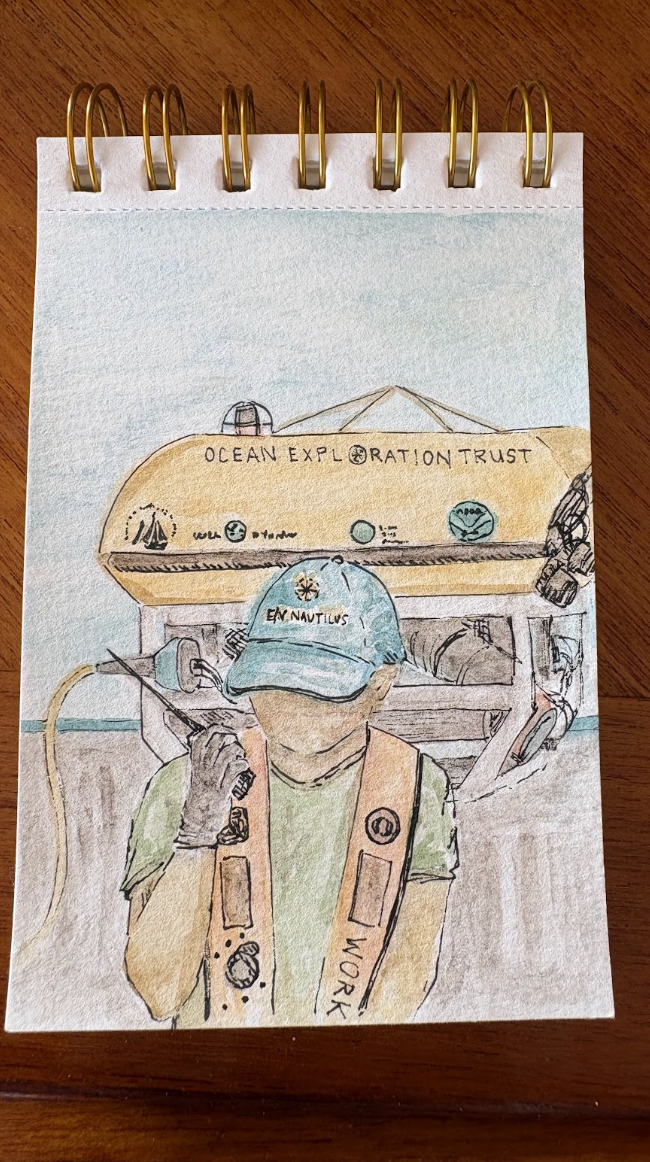
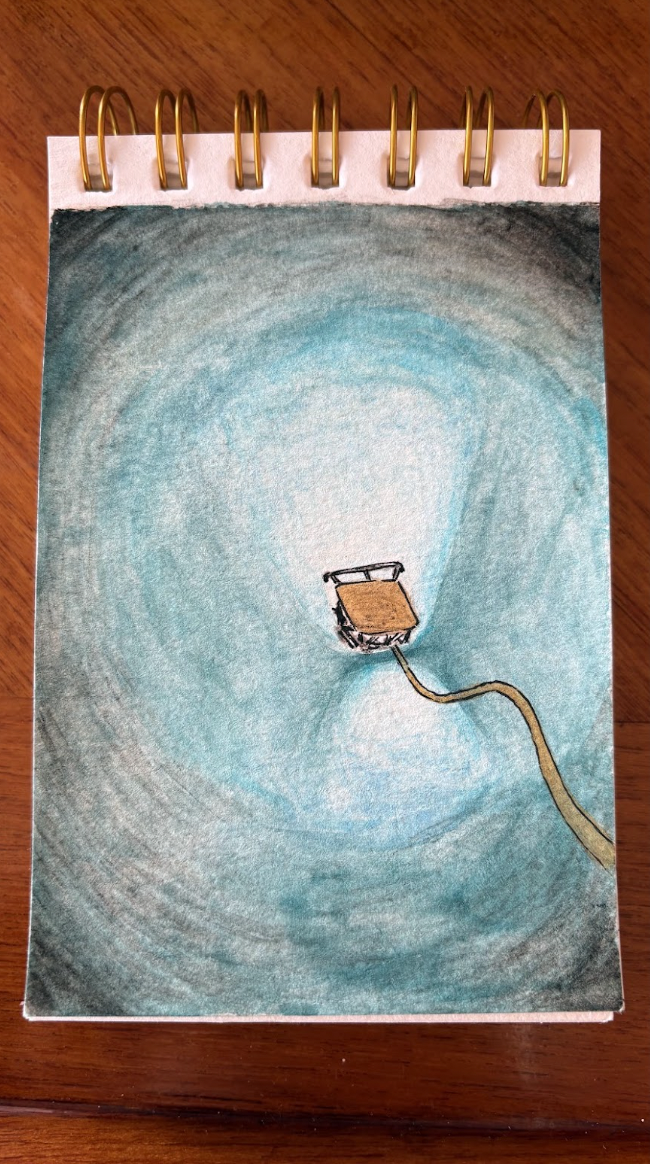
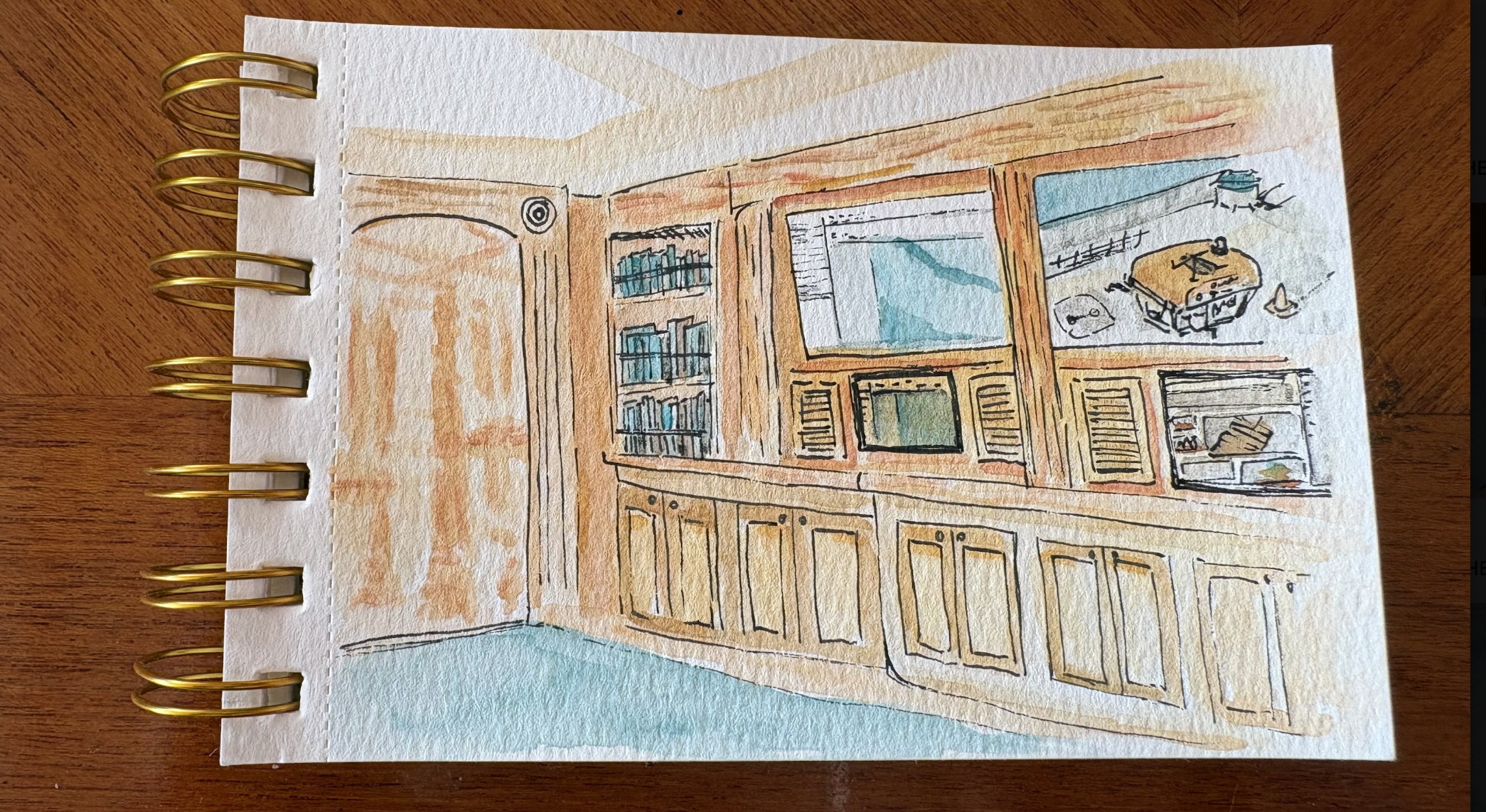
This photo album (and the art within) was created by NA181 Science Communication Fellow Sabrina Medina.
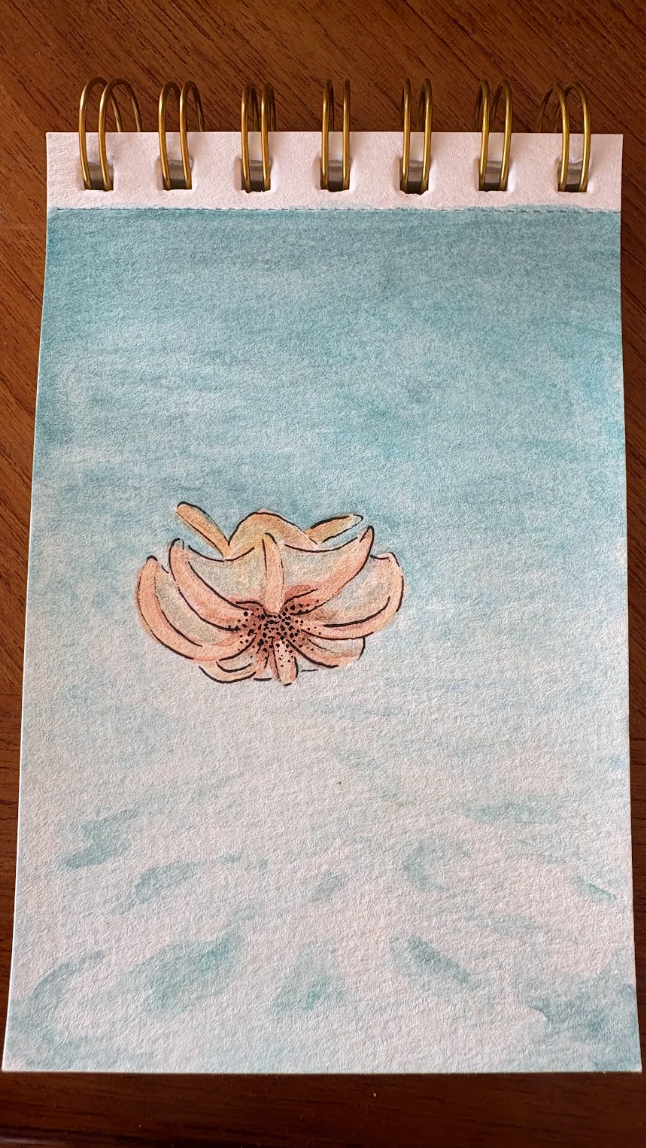
I find that one of the best ways to commit something to memory is through art. I am constantly looking for ways to preserve stories, feelings, and moments through drawings or writings. I grew up with the smell of freshly sharpened pencils and paint splattered on kitchen counters. My mom brought art into my life when I was young; her paintings were always so intentionally planned and executed, beautifully framed and hanging on the wall. I, however, enjoy the process of recreating a memory on paper more than the product itself.
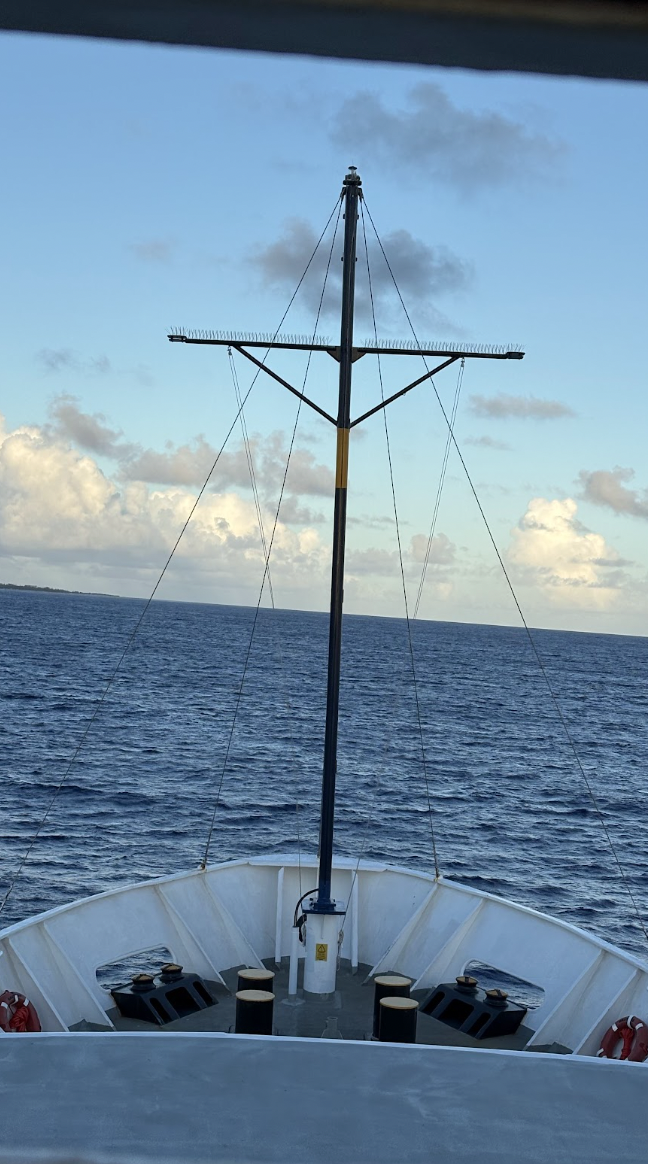
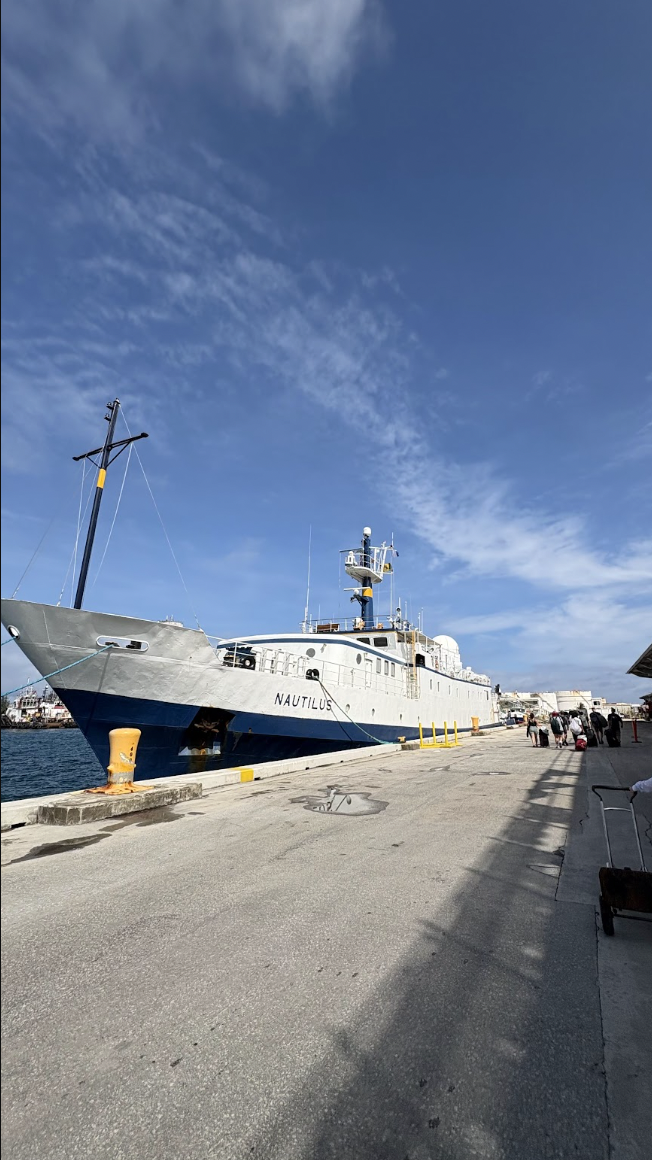
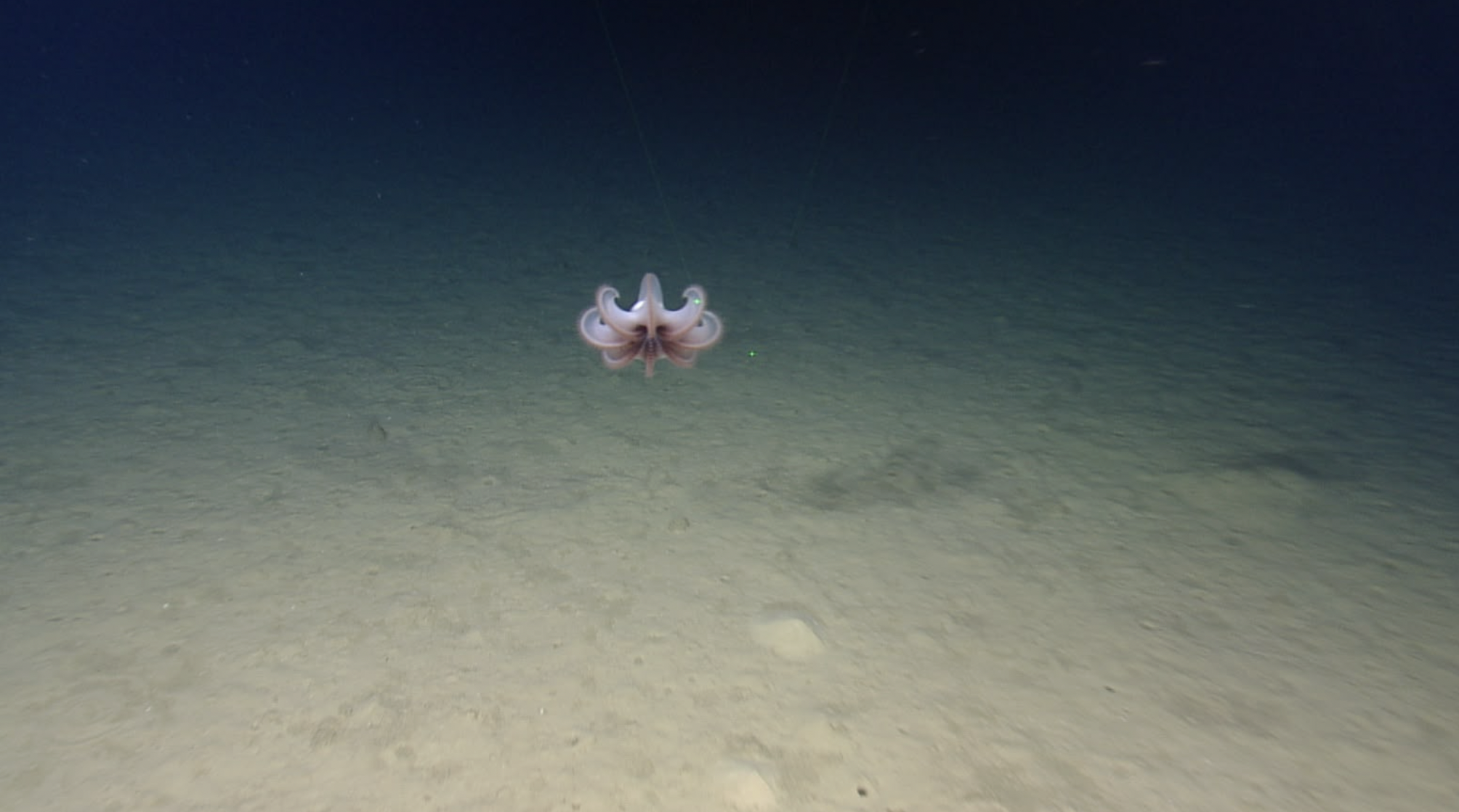
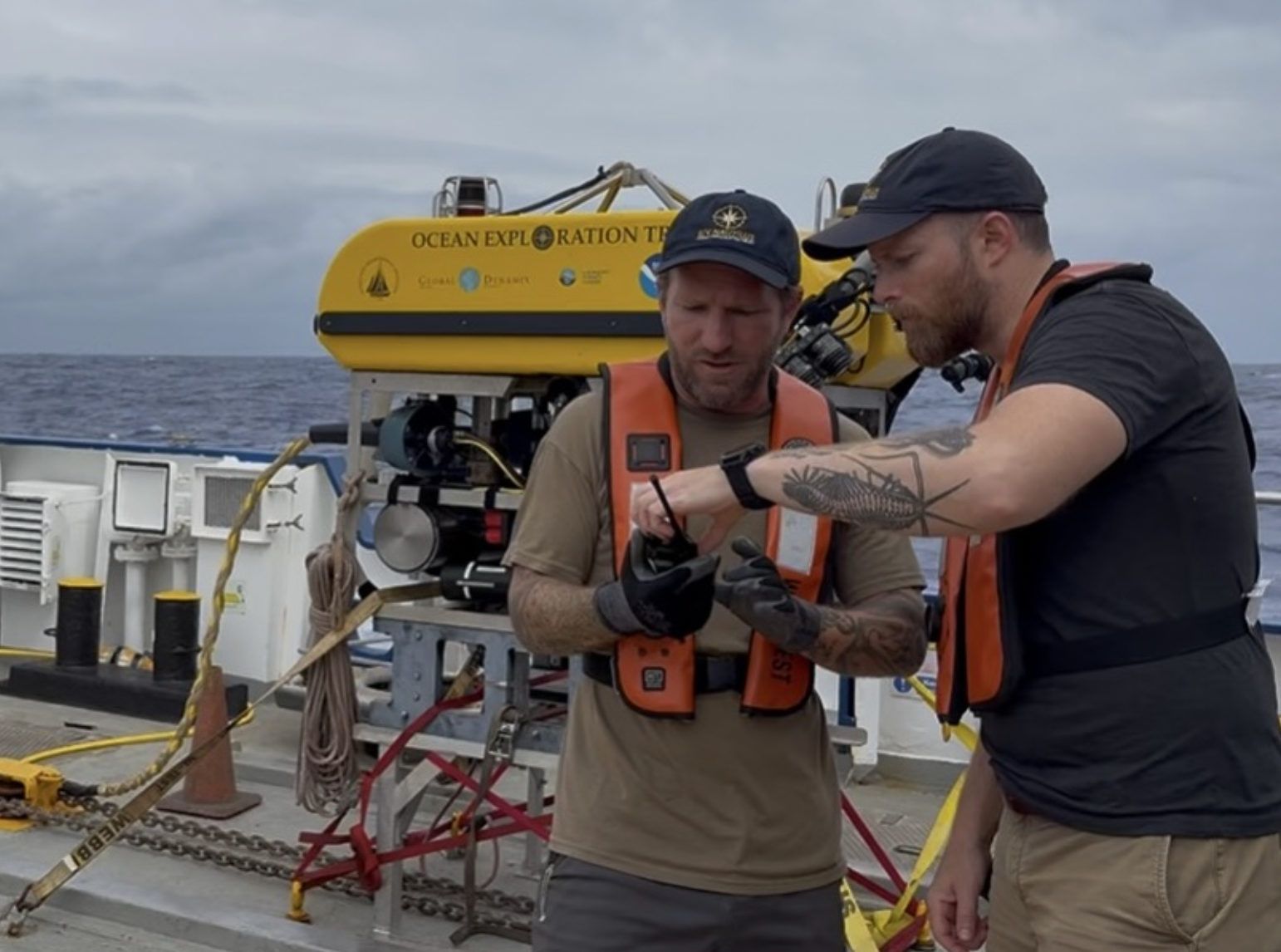
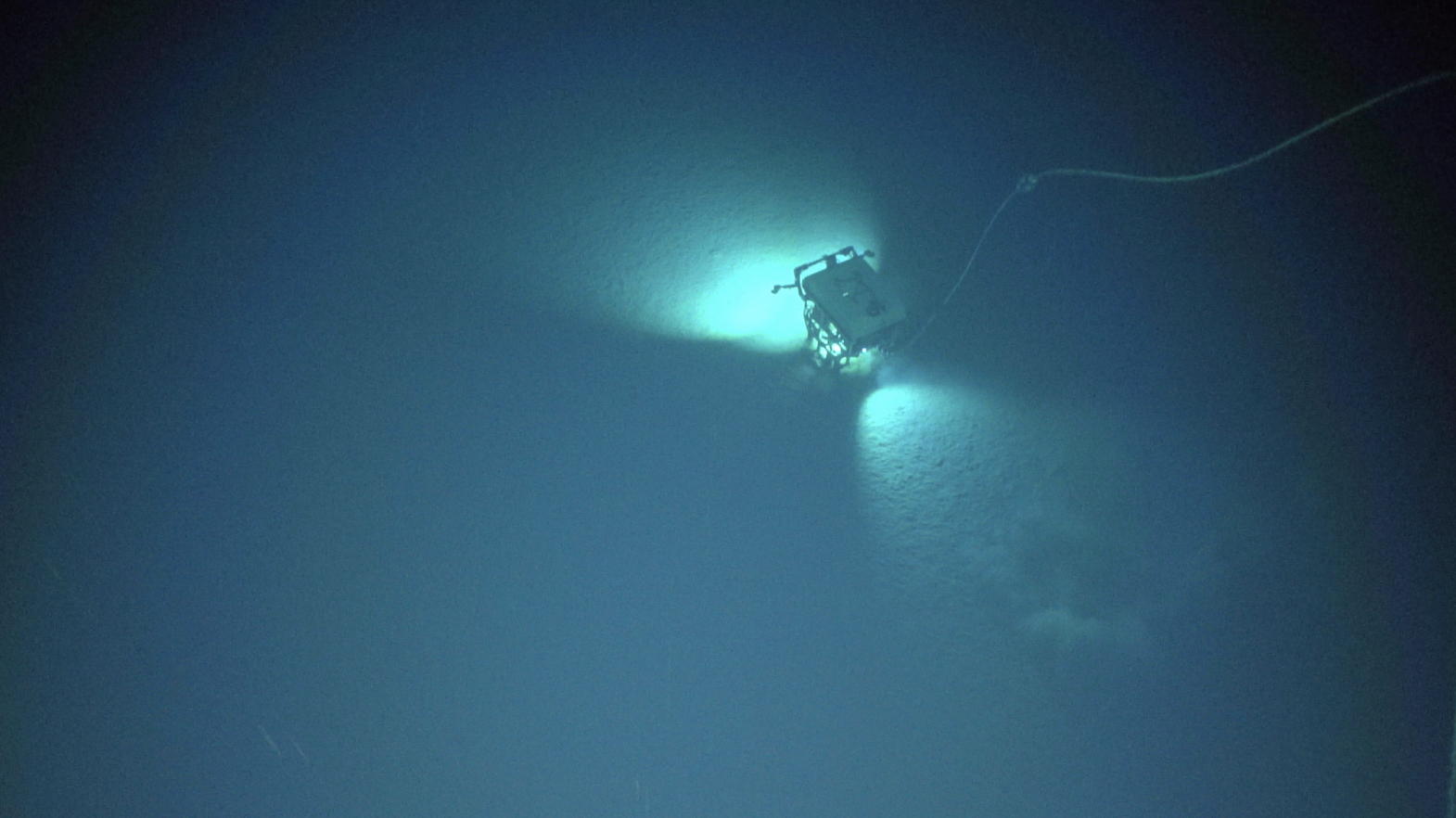
When I discovered I would be sailing across the Pacific on the E/V Nautilus, I was in the middle of moving my life from Guam to Hawaii. I would be on expedition NA181; we’d be exploring the deep sea around Wake Island and making a Pacific crossing from Guam to Hawaii; it felt poetic to make the same crossing by sea. To document the adventure, I knew I would need a creative outlet. So I brought a travel watercolor paint set, a few pens, a single brush, and a 3.5-by-5.5-inch watercolor notepad.
The days can blend together when you’re at sea for 31 days on a 24/7 fully operational vessel. Finding time between the watches, ship-to-shore calls, sleeping, and eating to sit with my paints and sketch something has become part of my routine at sea. I typically start with a wash of color on the page and a few rough outlining strokes of my image. I try not to outline my sketch with pencil, challenging myself to lean into mistakes and commit to what is on the paper. My time painting isn’t supposed to be polished; it’s part of what makes the process fun. It’s explorative and reminds me of the importance of play. This gallery is an ode to creating, slowing down, and being observant.
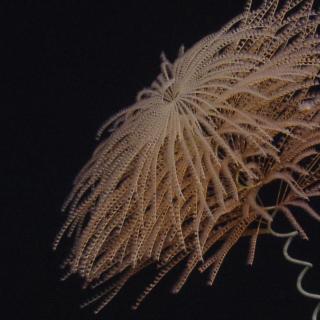
Exploration of Wake Island's Deep Sea
Located roughly midway between the Hawaiian and Mariana Islands, Wake Island is one of the most isolated land masses on Earth. While there have been some recent expeditions to this remote region, the vast majority of the 407,241 square kilometers of seafloor surrounding Wake remains unmapped and uncharacterized, thereby representing one of the most poorly surveyed areas under US jurisdiction.