Using eDNA to Determine Biodiversity

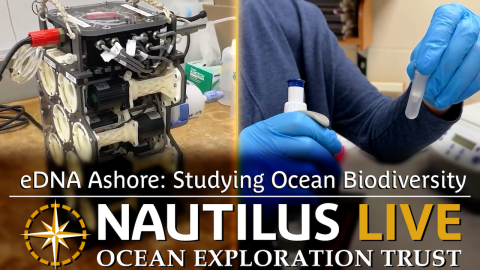
Students or museum guests will analyze environmental DNA (eDNA) samples collected from three “pristine” locations and three “disturbed” locations using multiple sampling methods (Niskin Bottle, Multipuffer). In addition to learning about eDNA, they will also compare sampling techniques using analogs of real-world examples of traditional technology (Niskin bottles) and experimental technology (Woods Hole Oceanographic Institution’s Multipuffer sampler, produced by Aquatic Labs). After collecting the samples, students will use eDNA Popbead Patterns Reference Library Sheet to identify the species represented by the Popbead eDNA samples collected. Students will use Simpson’s Diversity Index to calculate species diversity for each location. Students will draw conclusions by comparing data between sampling methods, location, and location conditions (pristine or disturbed). In addition, students will develop solutions to mitigate the impacts of human activities on marine ecosystems.
Objectives & learning outcomes
Students will:
- Understand and discuss the importance of eDNA sample collection and Nautilus' mission of ocean exploration
- Understand the importance of studying marine organisms and habitats
- Define and understand the importance of eDNA.
- Describe the basic processes involved in collecting and identifying eDNA samples
- Compare eDNA sampling techniques using analogs of real-world examples of traditional technology (Niskin bottles) and experimental technology (Woods Hole Oceanographic Institution’s Multipuffer sampler, produced by Aquatic Labs)
- Create a model to illustrate the flow of energy through a community and understand the different ecological roles of organisms: primary producer, primary consumer, secondary consumer, tertiary consumer, decomposer/detritivore
- Use mathematical models to determine species richness and diversity of different communities
- Determine the effect of human activities and disturbance on the biodiversity of marine ecosystems
- Develop solutions to mitigate the negative impacts of human activities on marine ecosystems
Disciplinary Core Ideas
Grade level
Time & materials