Deep Sea Corals of Wake Atoll
This photo album was created by Lead Science Communication Fellow Erin Winick Anthony.
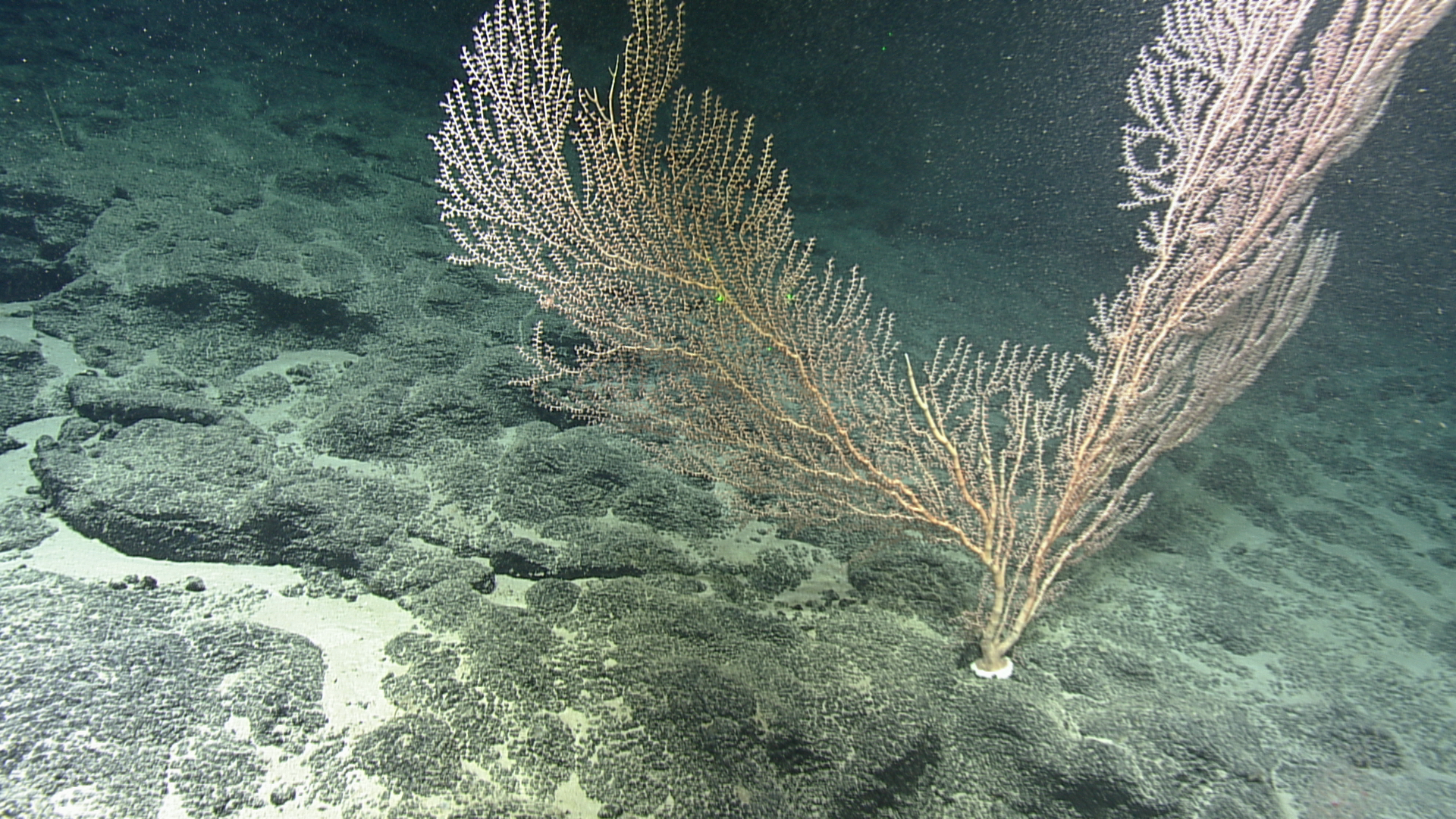
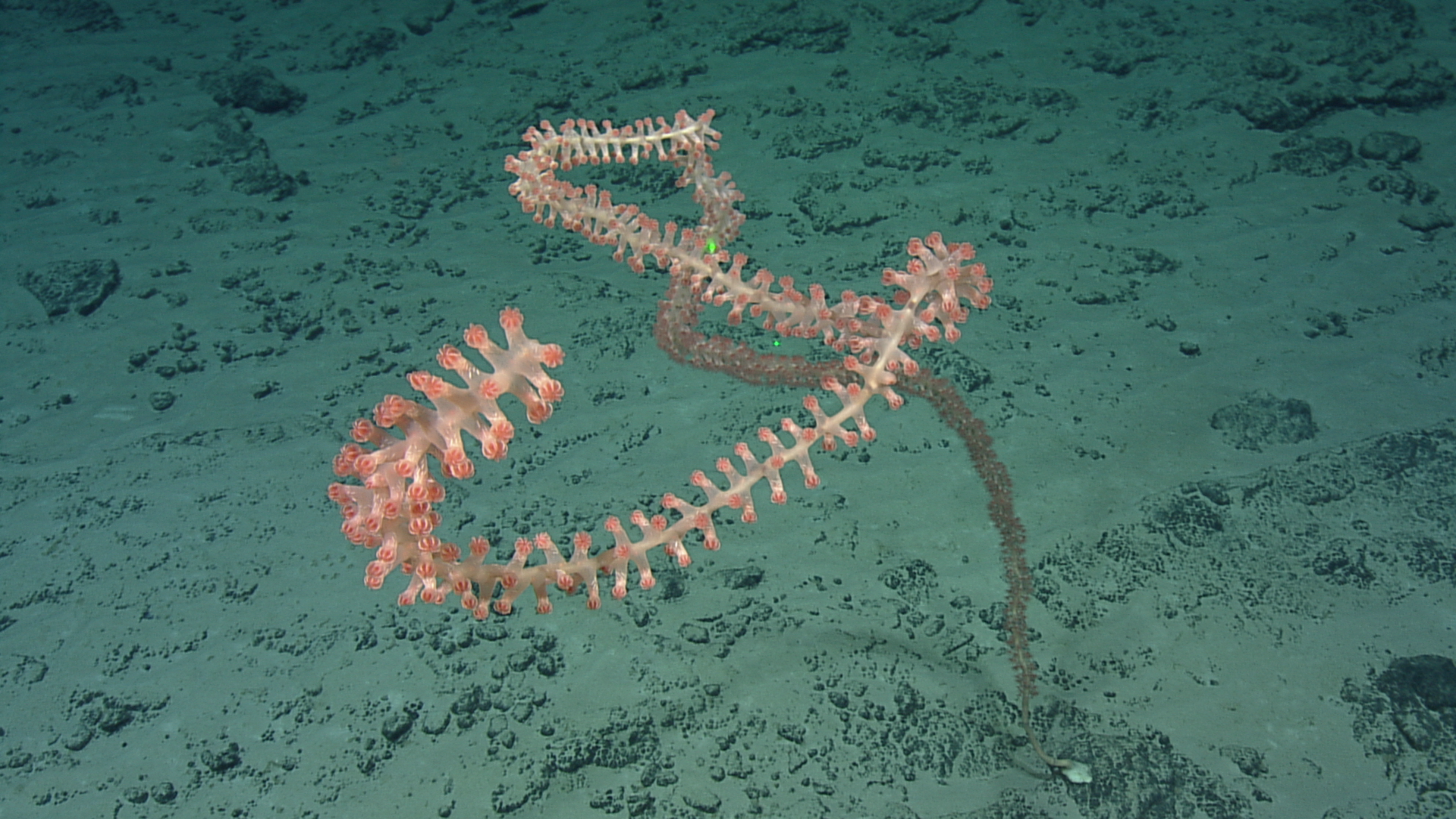
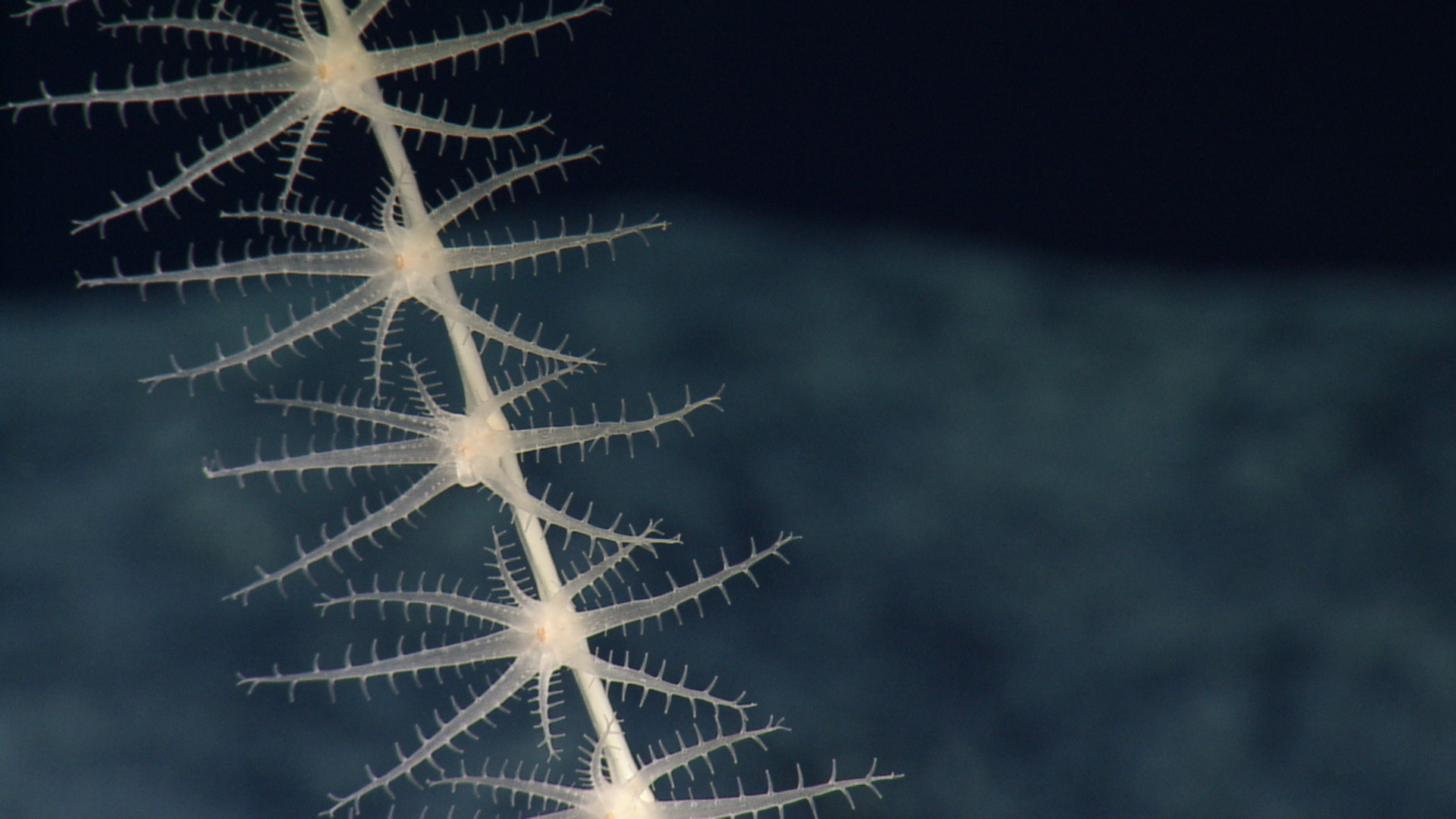
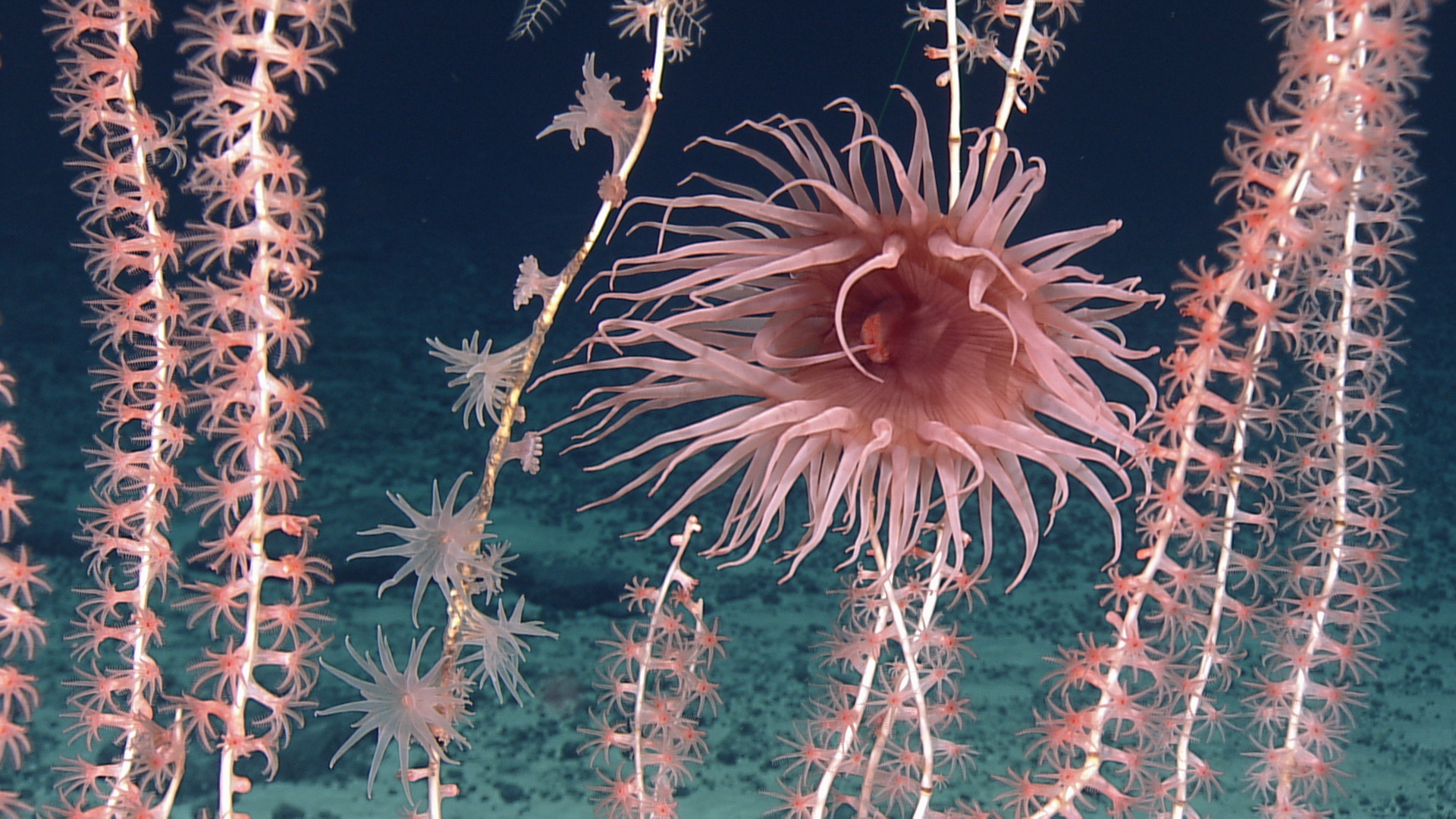
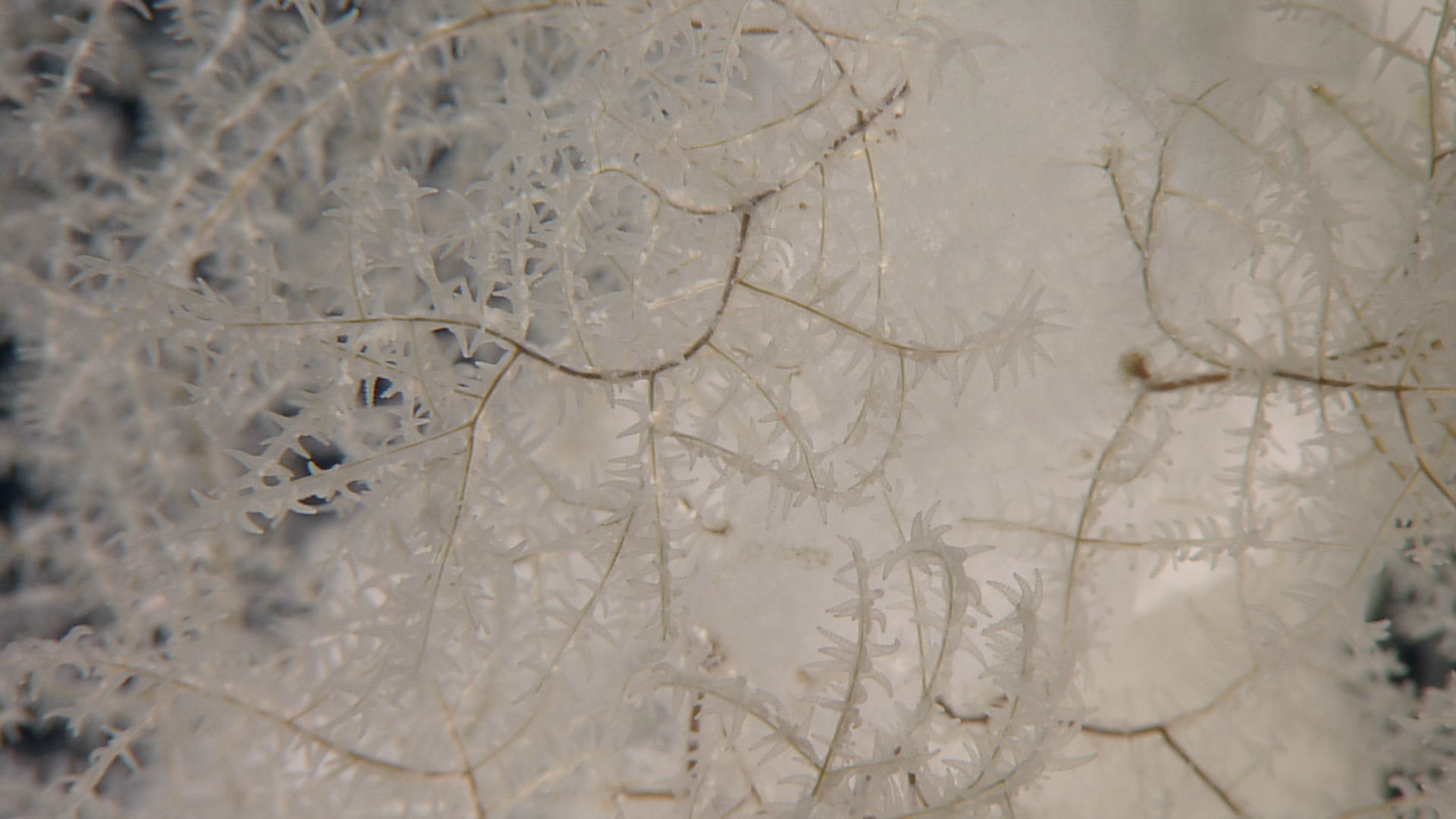
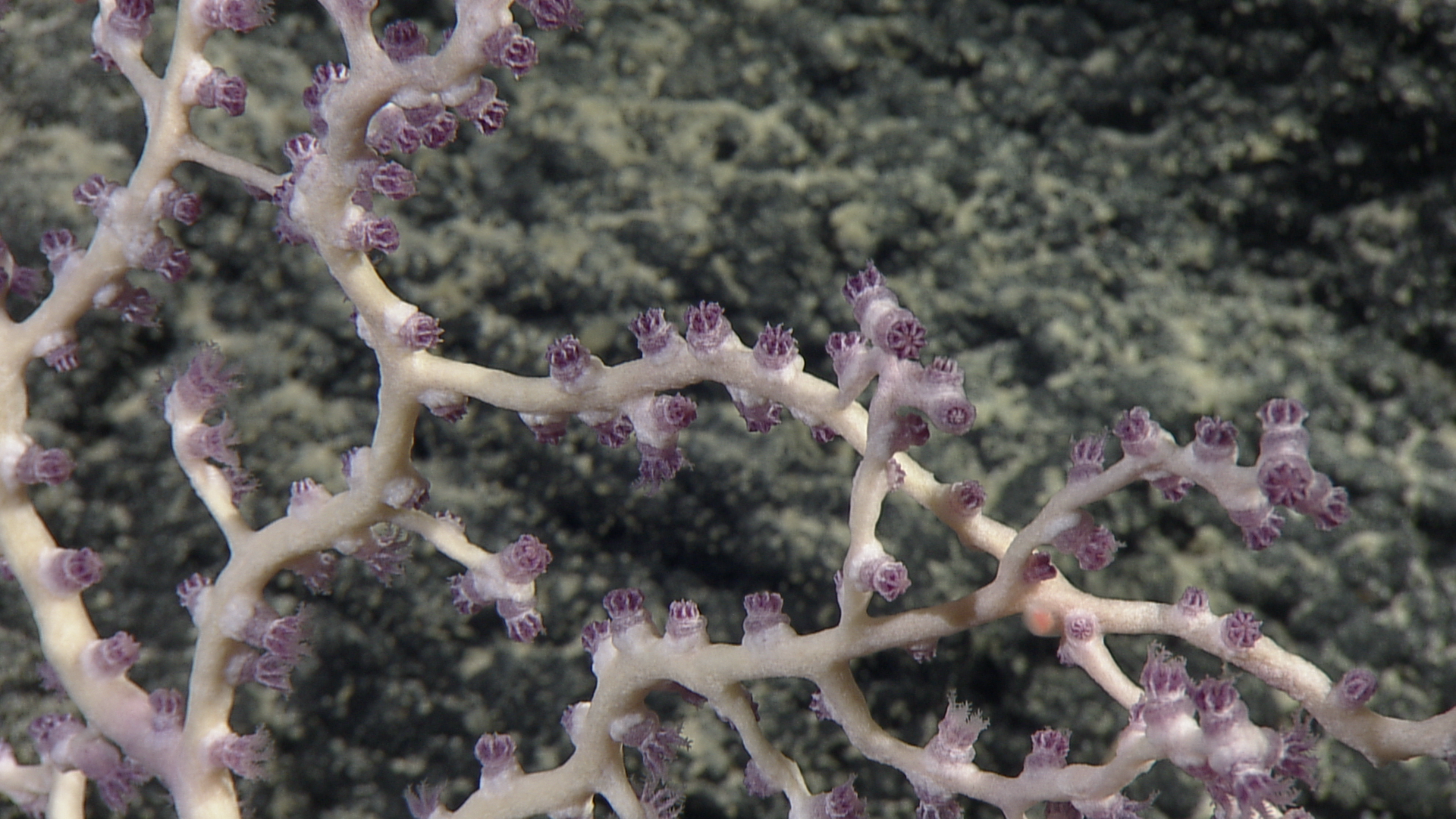
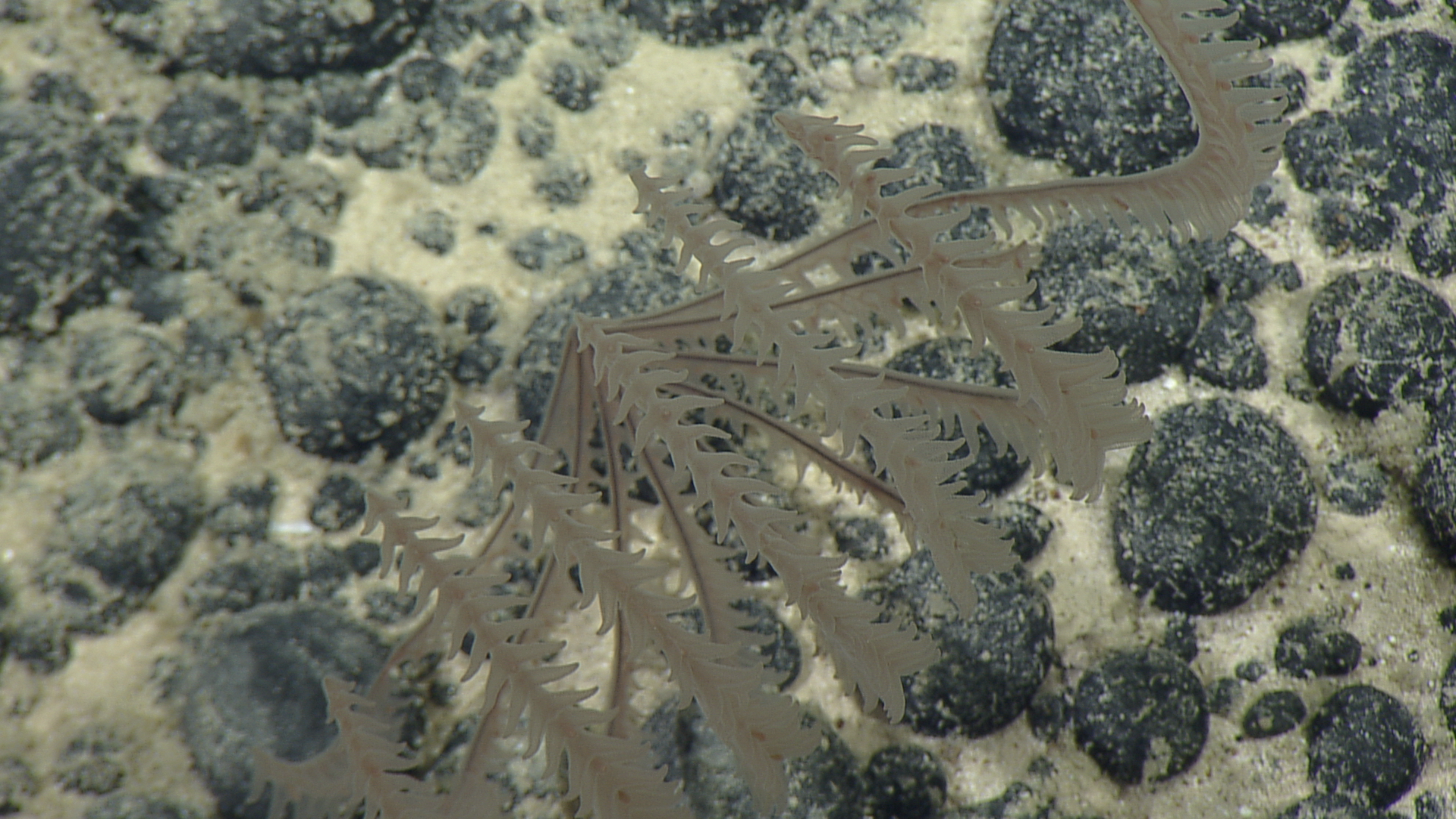
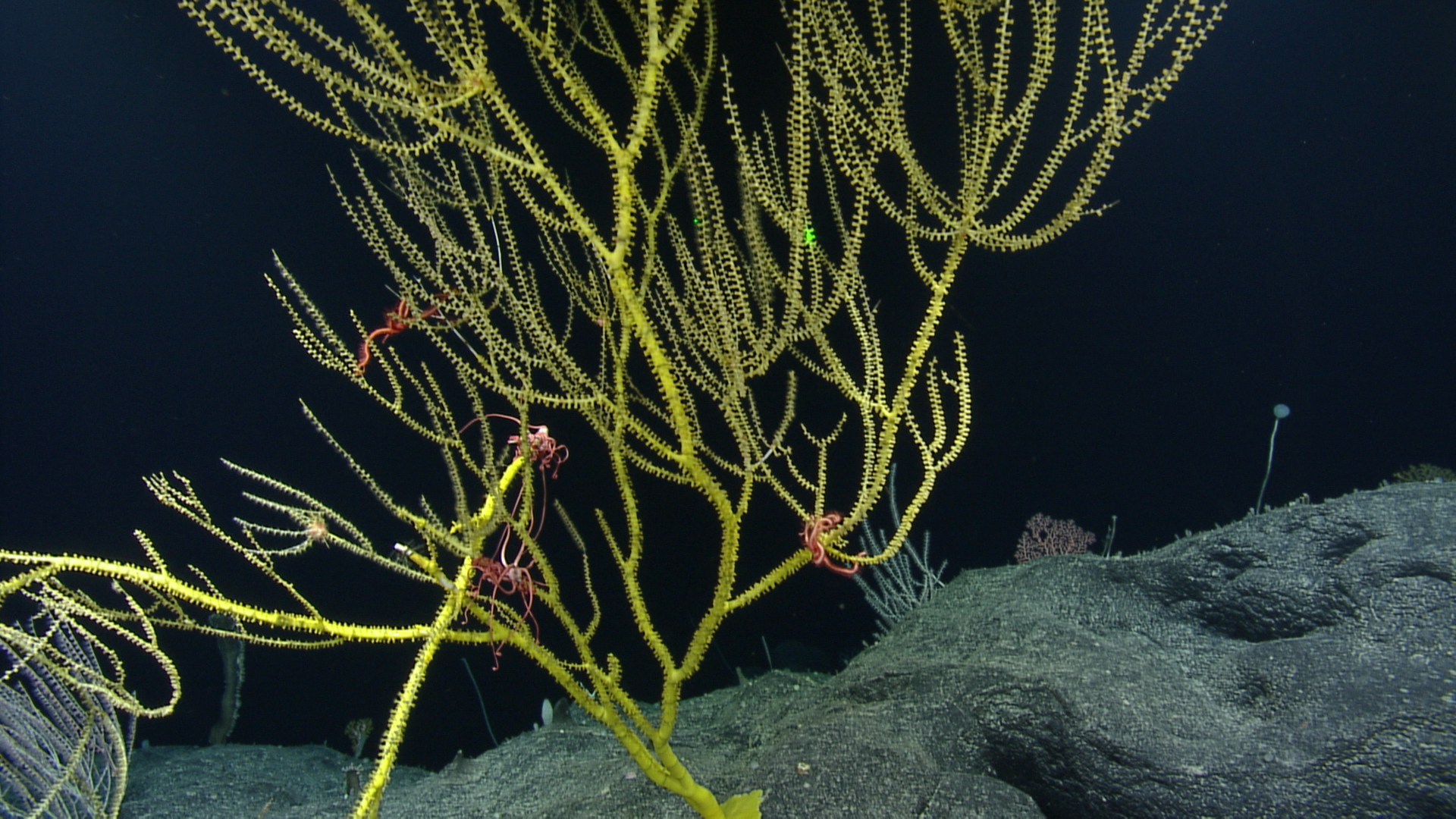
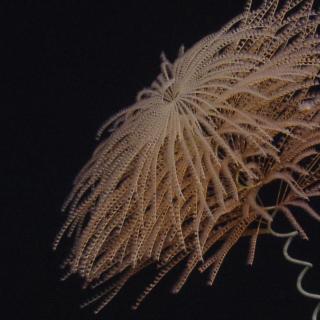
During expedition NA181, the E/V Nautilus team observed deep-sea corals in many different environments surrounding Wake Island, one of the most remote landmasses in the world. The 31-day expedition included abyssal plain dives to more than 5,700 meters (18,700 feet), archaeological surveys, and explorations of seamounts—underwater mountains—near the bases and summits of underwater formations. This album showcases a sampling of the wide variety of corals and their associates seen over the course of these dives.
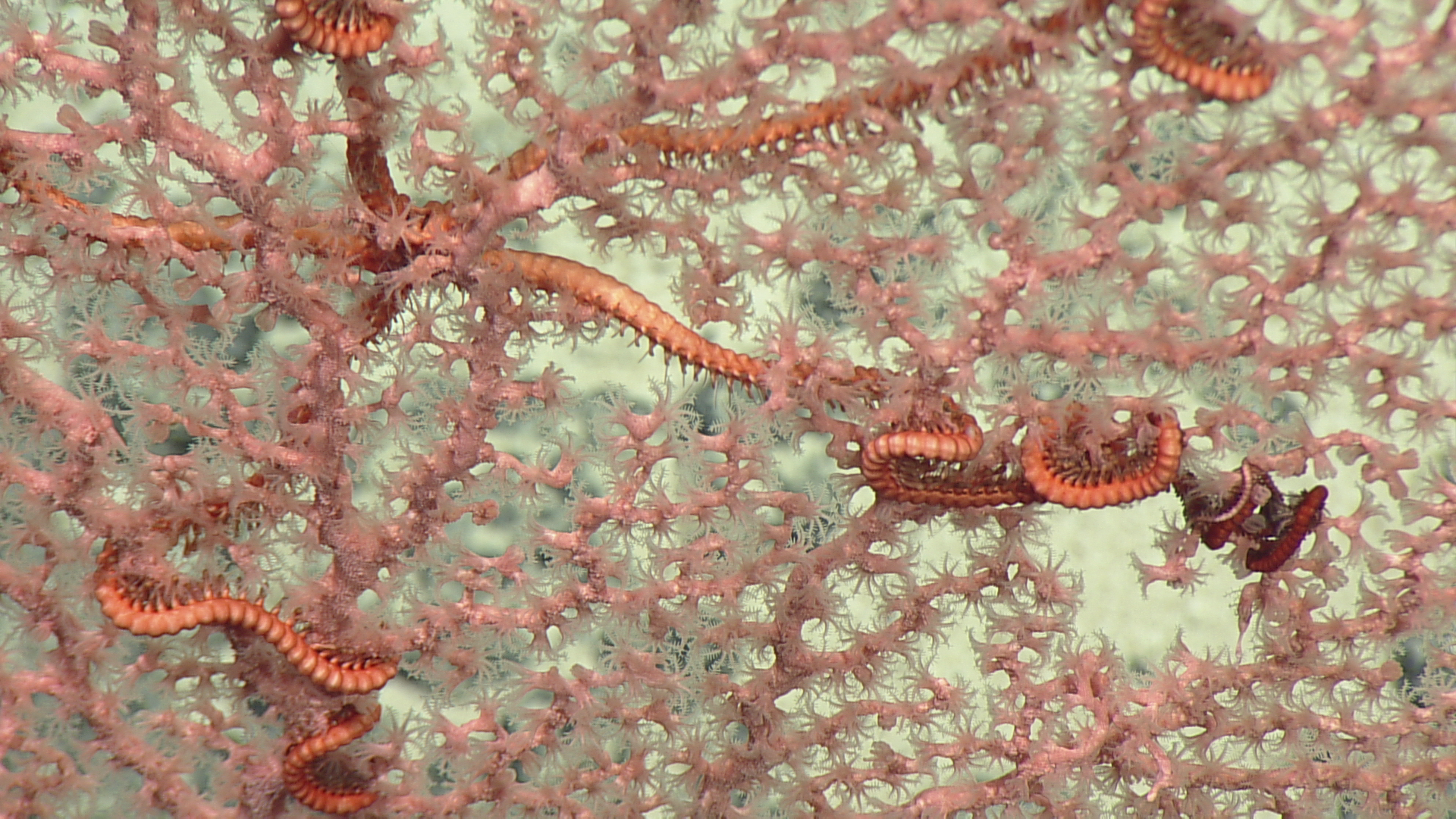
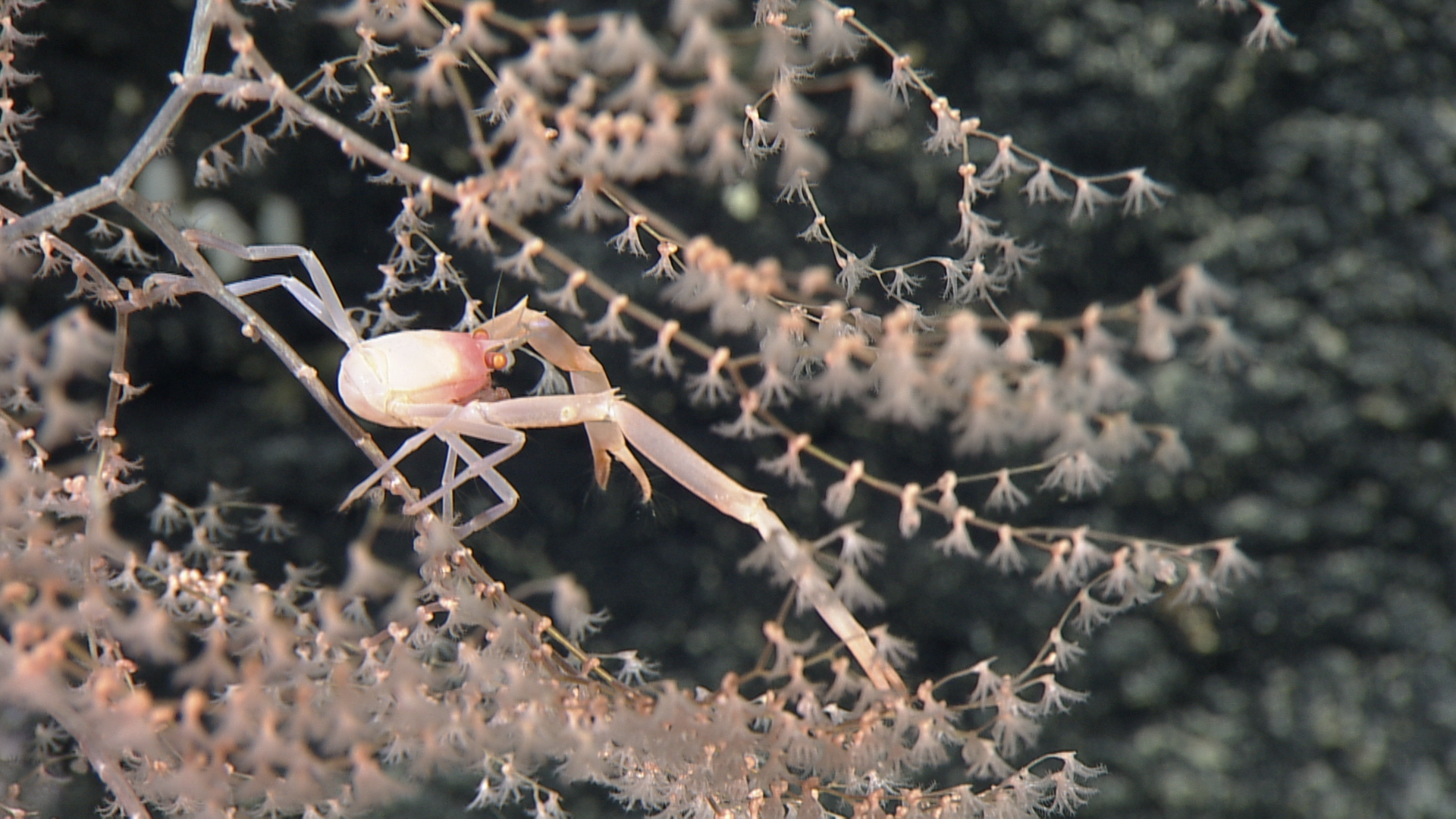
Throughout the journey, our scientists observed a wide variety of deep-sea corals and the many organisms that call them home. Animals that live on corals are known as associates and range from other coral species to squat lobsters and brittle stars. Together, these associations form special connections that help them survive in such extreme depths. Some organisms feed on the coral polyps, while others may use the coral's structure to position themselves better in the nearby current to grab food. Other animals even have a parasitic relationship with the corals. Steve Auscavitch, one of the expedition's lead scientists and a deep-sea coral expert, helped identify coral species throughout the cruise.

Exploration of Wake Island's Deep Sea
Located roughly midway between the Hawaiian and Mariana Islands, Wake Island is one of the most isolated land masses on Earth. While there have been some recent expeditions to this remote region, the vast majority of the 407,241 square kilometers of seafloor surrounding Wake remains unmapped and uncharacterized, thereby representing one of the most poorly surveyed areas under US jurisdiction.