Post-Eruption Geology of Ruby Seamount
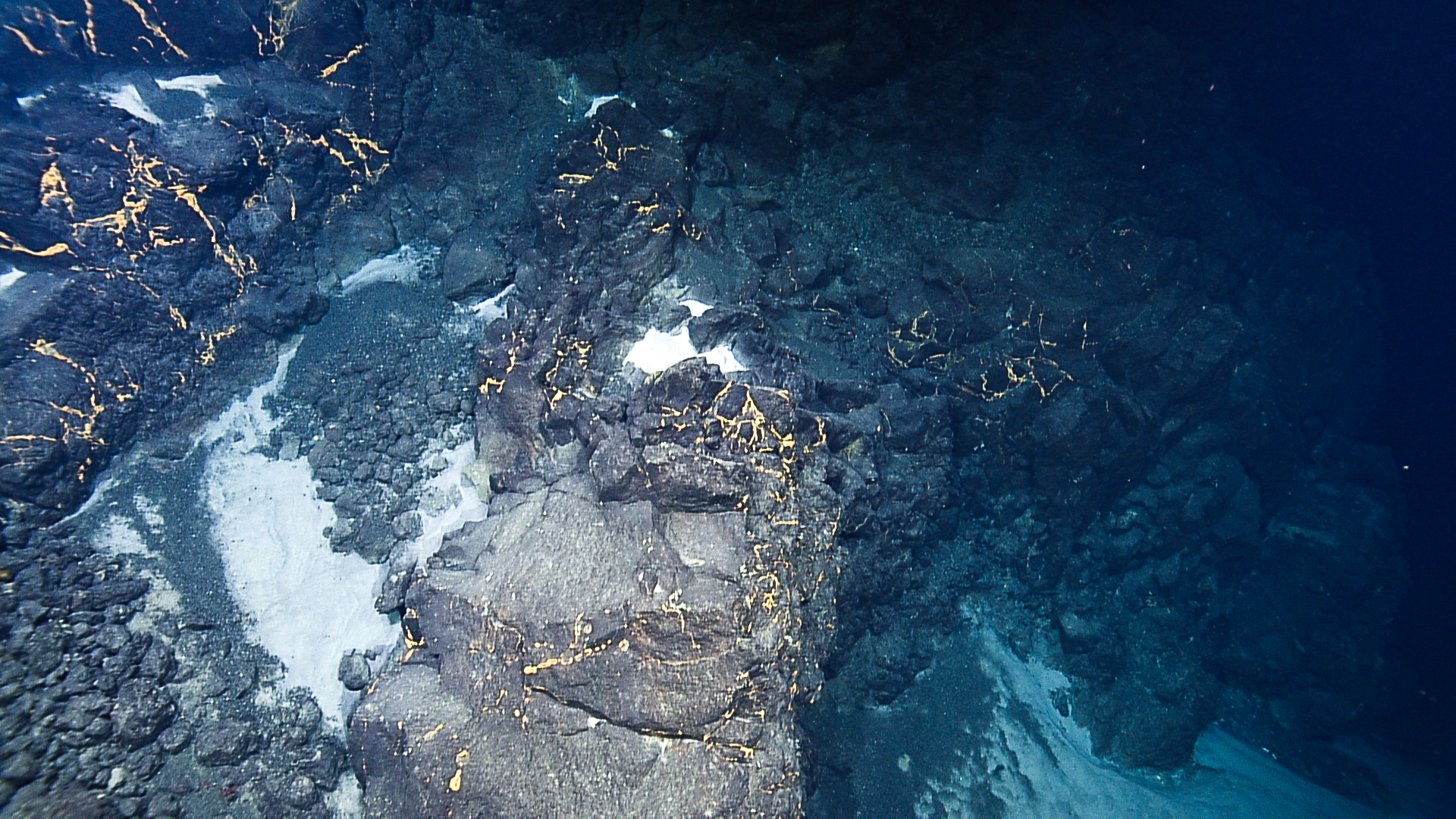
The Mariana Islands are one of the most volcanically active regions in the world! At the start of NA180, along our route north to the Mariana Archipelago’s abyssal plain operational area, the team had the opportunity to conduct a very special dive visiting an active submarine volcano for the first visual survey since its last eruption.
Ruby seamount’s depth has fluctuated significantly through recent eruptions. In 2022, when mapped by the hydrographic team aboard NOAA Ship Rainier, the conical summit was only 174 m below the sea surface. Ruby last erupted in September of 2023, with sound waves picked up by U.S. Geological Survey seismic sensors 50 km away on Saipan, as well as underwater acoustics sensors on Wake Island, and verified by satellite images of floating ash and tephra above the cone. Post-eruption mapping in March 2026 by a team aboard R/V Thomas G. Thompson revealed a massive crater with a floor depth of 450 meters in the summit’s place. There are no local monitoring stations at Ruby, which limits scientists’ ability to detect and characterize volcanic unrest there, making mapping essential to understand the volcano’s activity. Just hours before the dive in July, OET’s mapping revealed a dome rebuilding the caldera’s center almost 100 meters higher than before, with a new maximum depth of 350m. This new dome has grown by more than 3.8 million cubic meters of new volume — the equivalent of 1,520 Olympic swimming pools, nearly 1.5x the volume of the Great Pyramid of Giza, or larger than one New Orleans Super Dome.
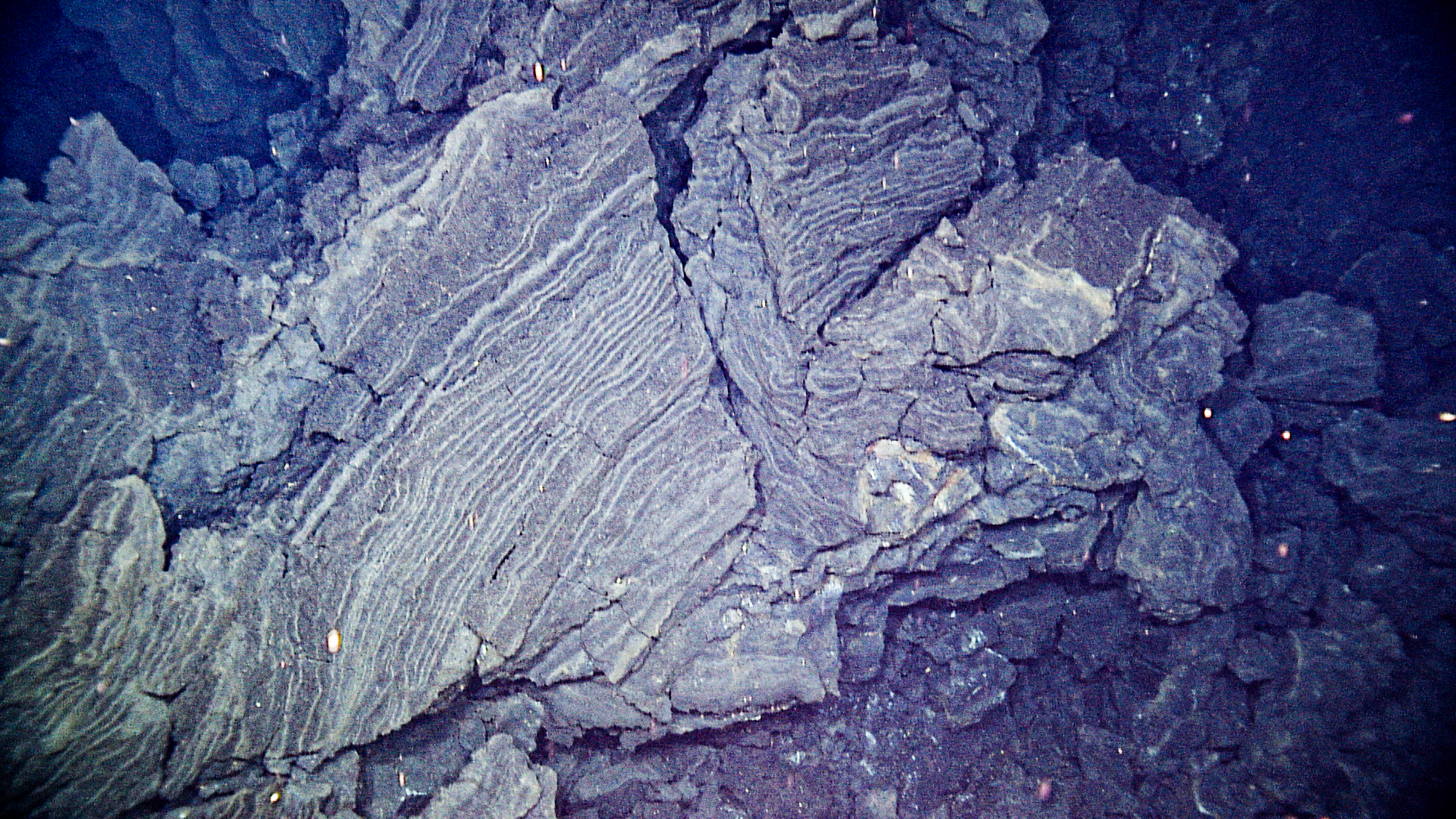
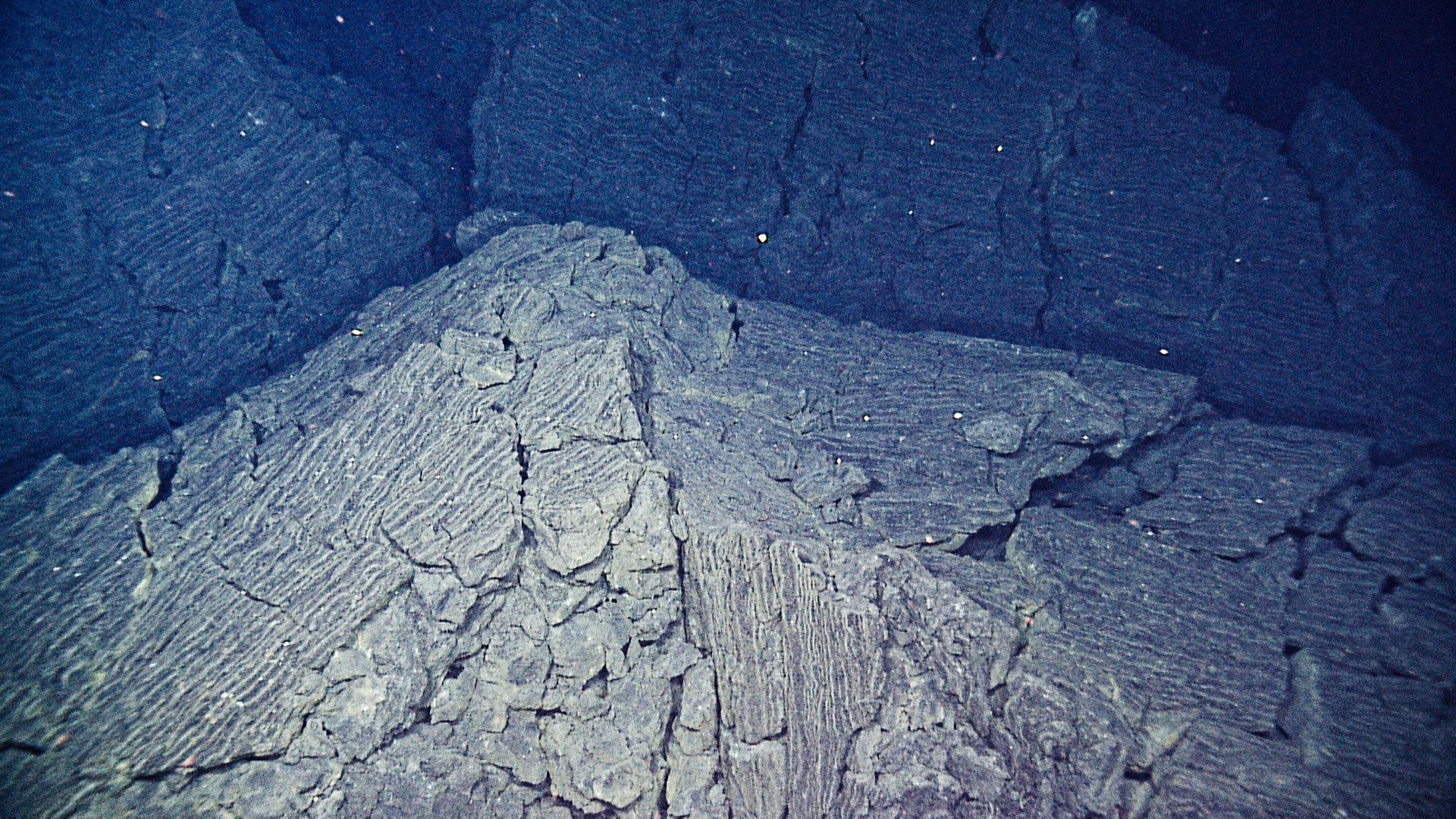
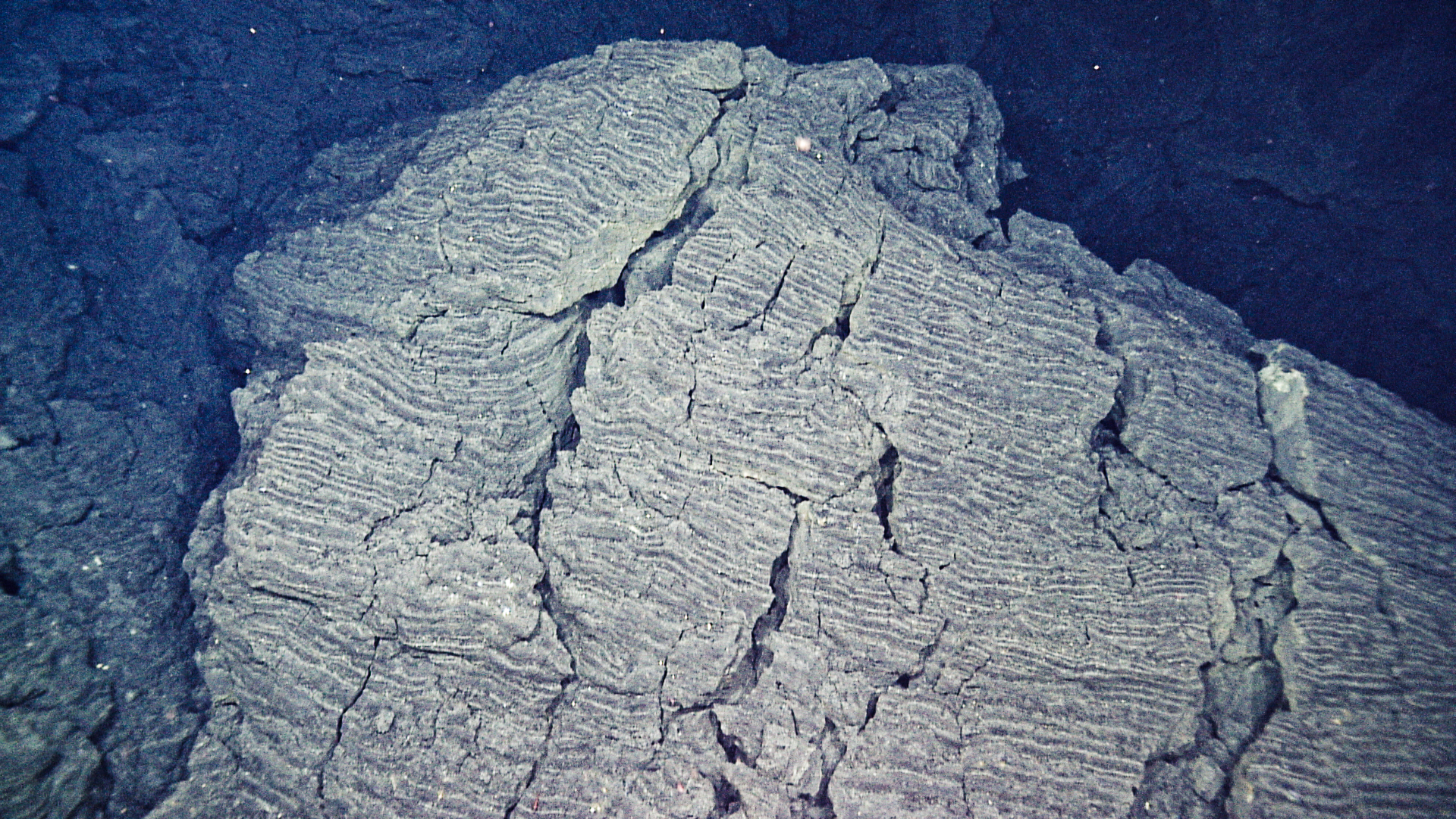
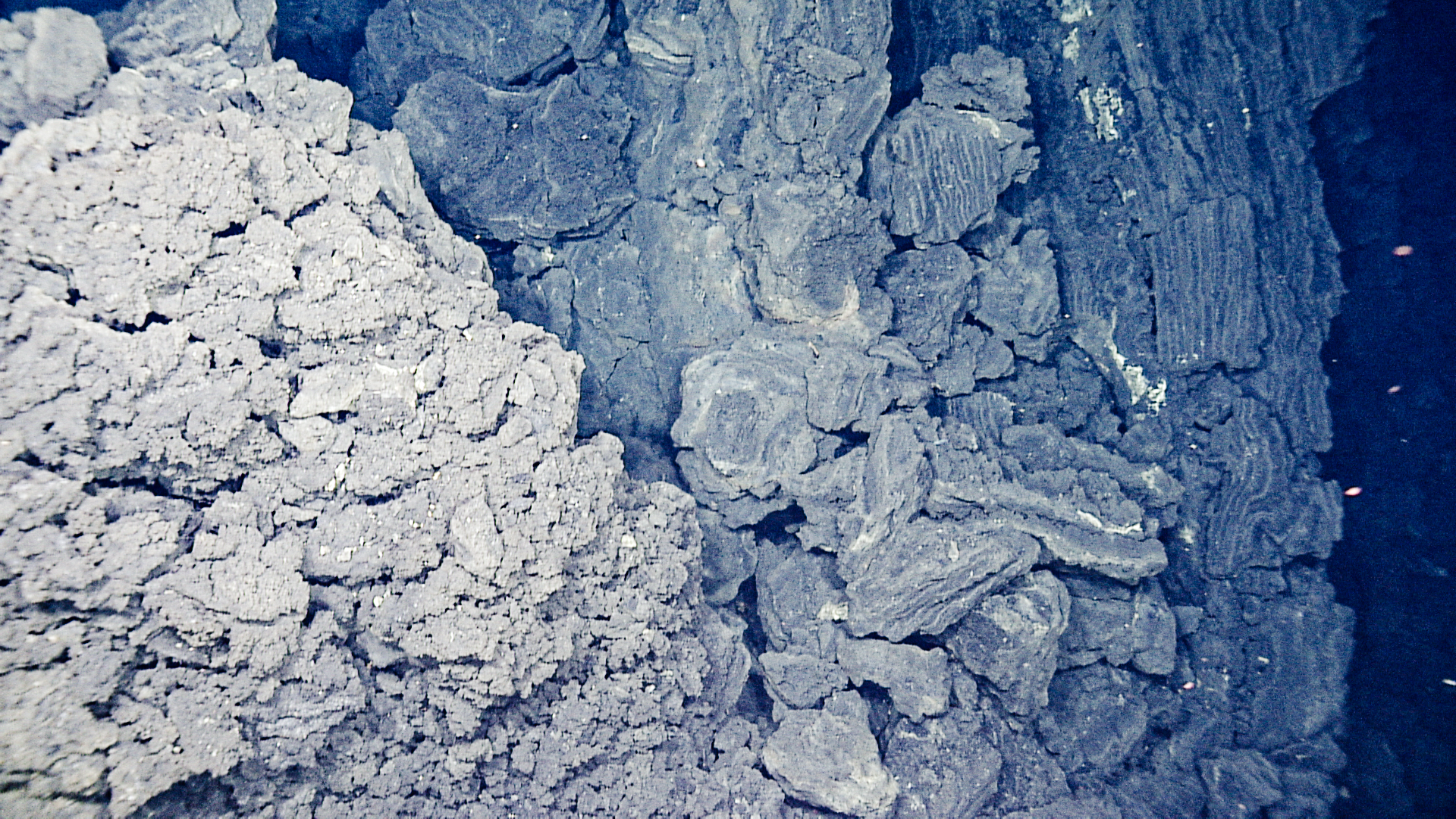
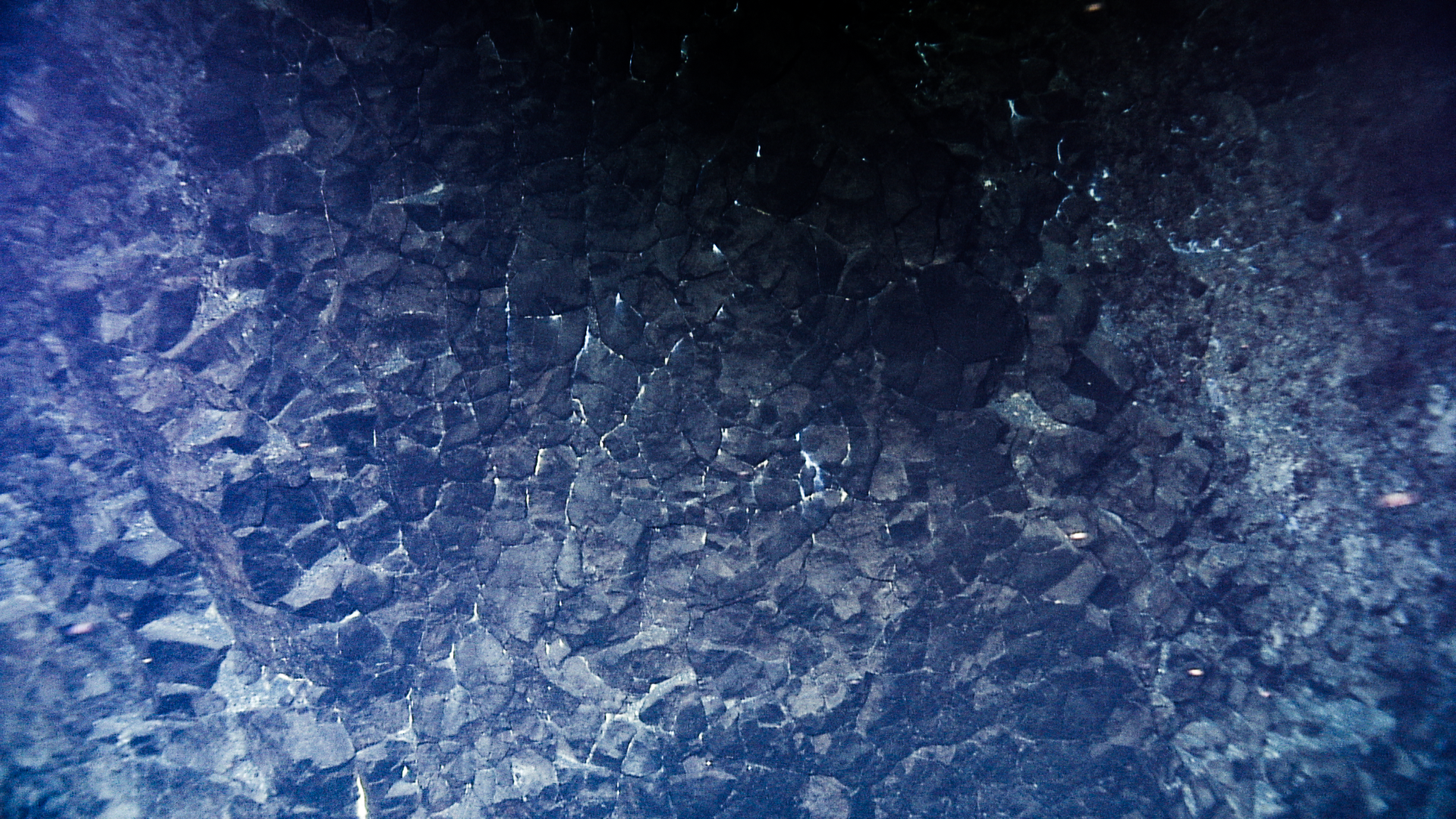
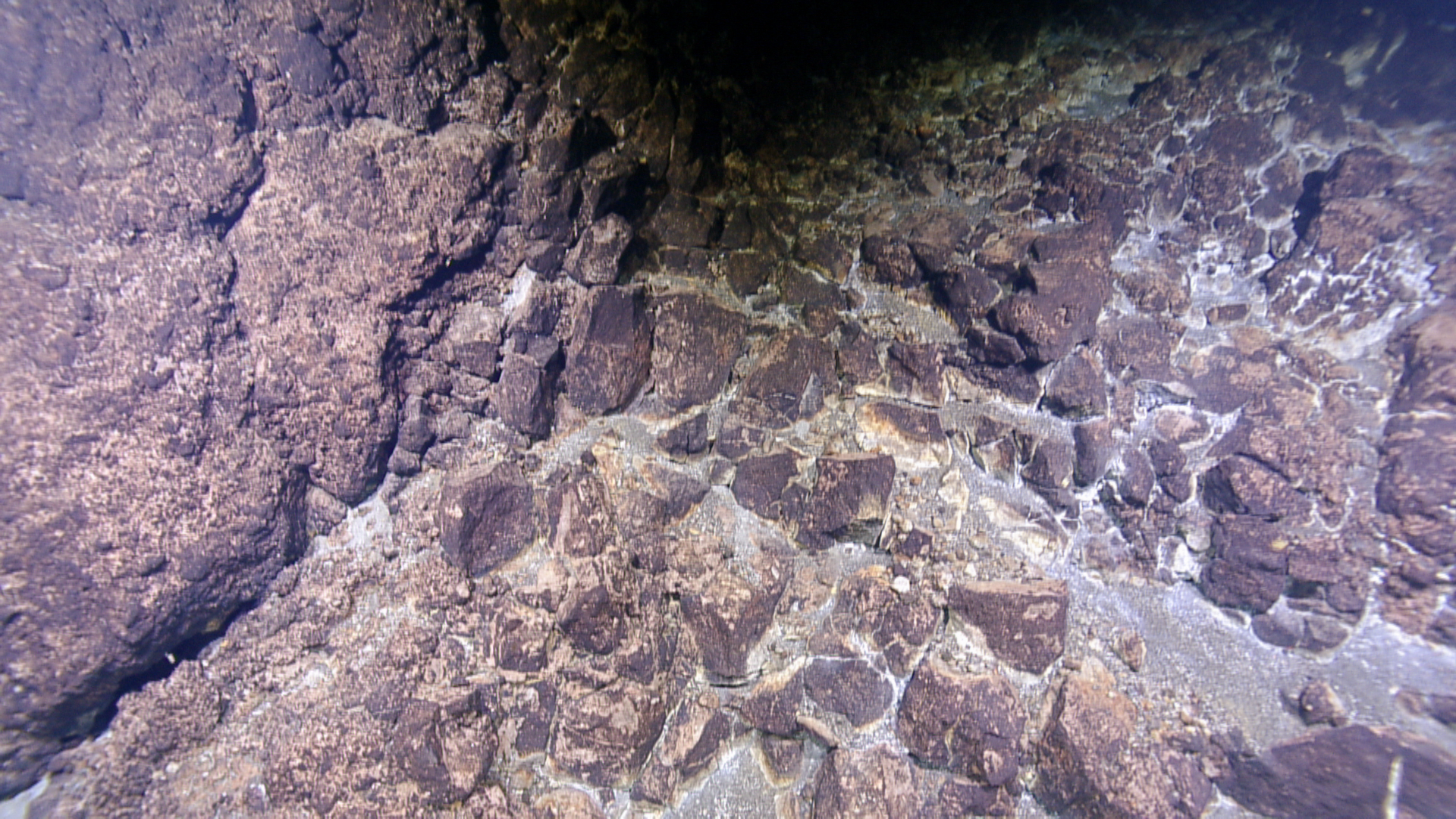
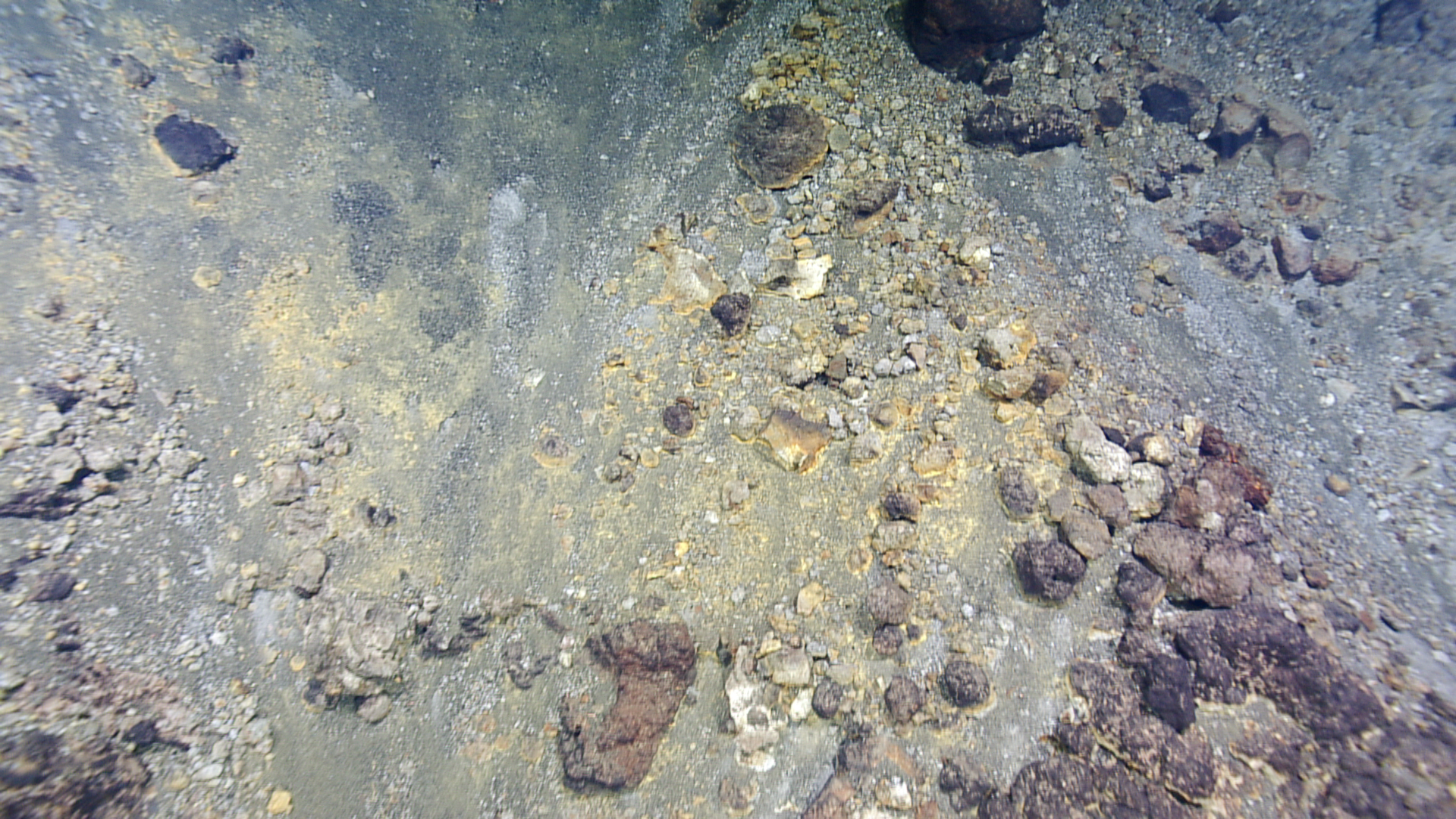
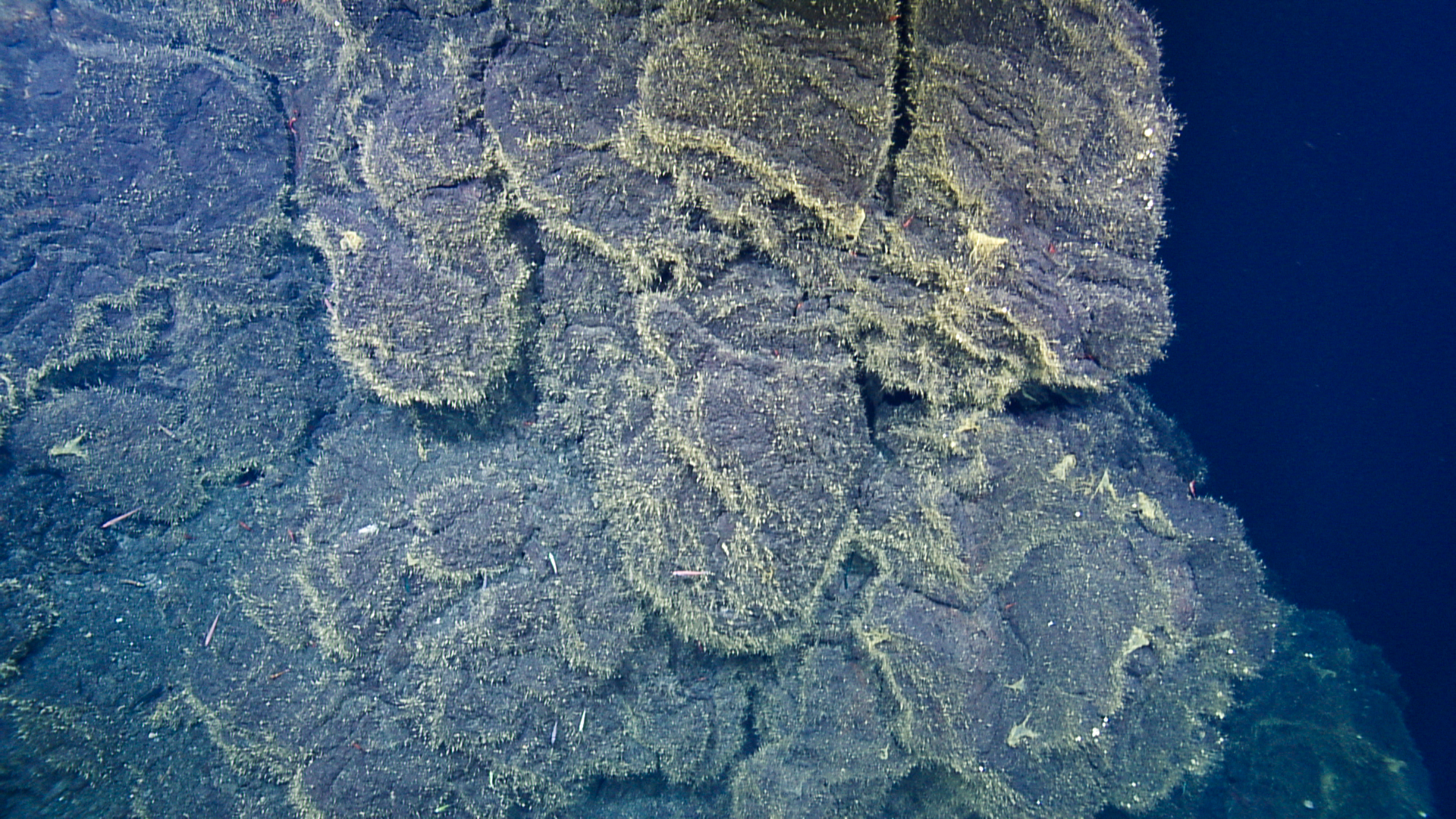
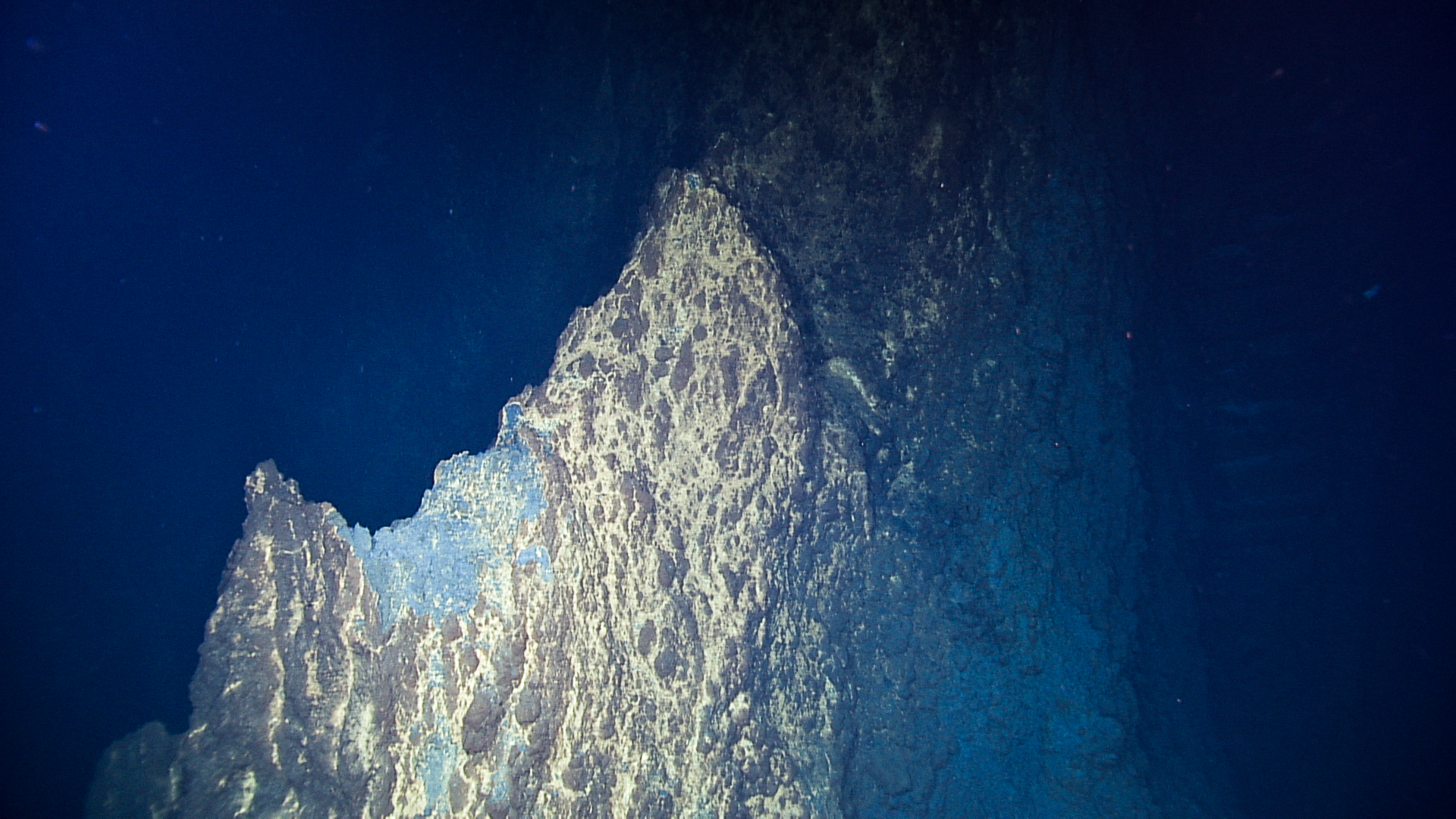
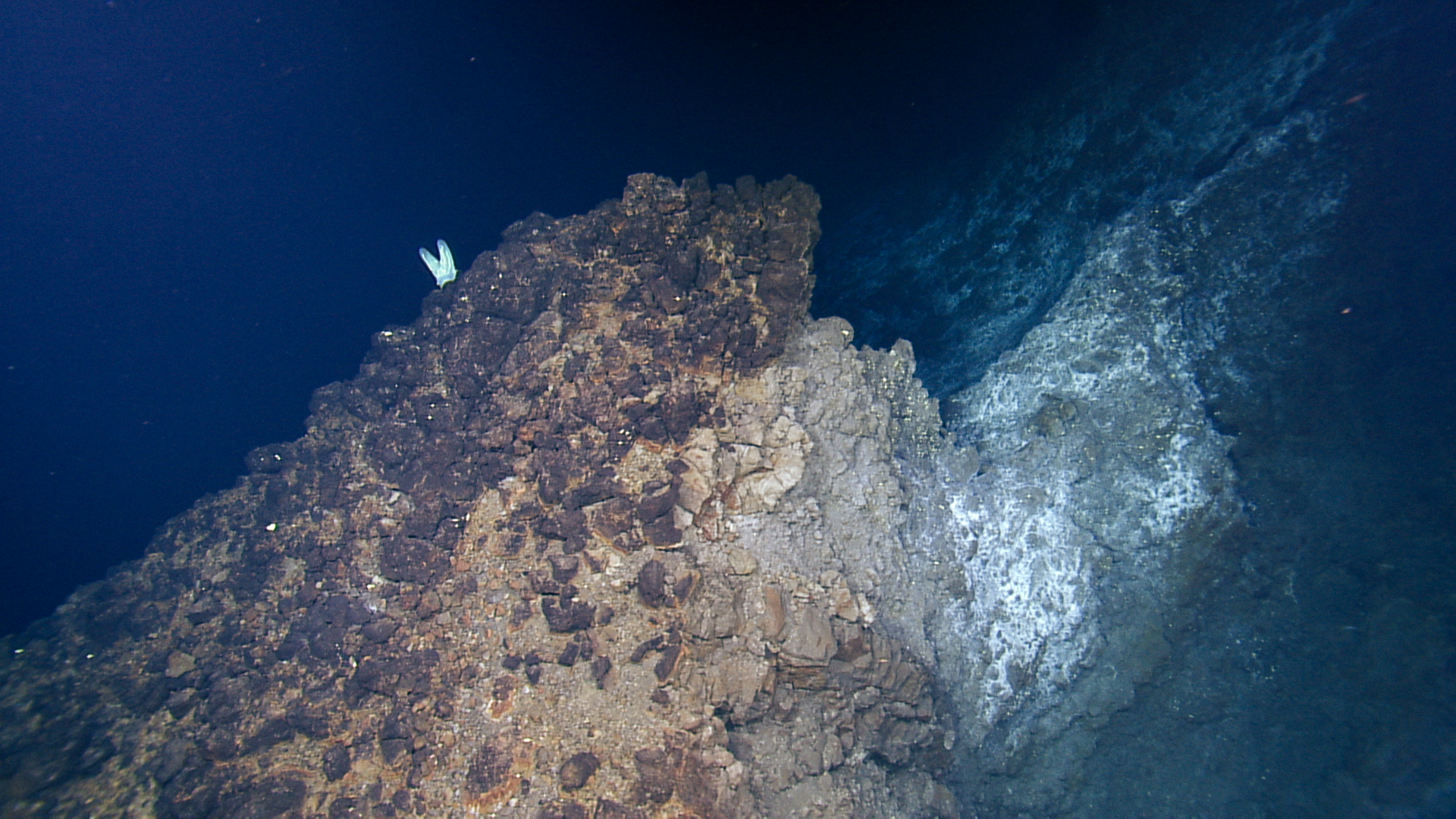
This first visual survey of the summit was an important opportunity for volcanologists worldwide to interpret clues from the crater to characterize the eruption. Check out some of these images captured along the dive that will begin to piece together the story of the eruption.
Album written by Lead Science Communication Fellow Alice Chou.
Deep-Sea Habitats in the Mariana Islands II
In our second expedition of the year in the Mariana region, E/V Nautilus will spend 22-days at sea.