Abyssal Plain Animals Meet ROV Little Hercules
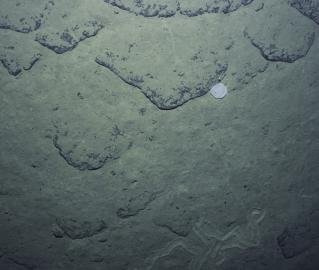
The abyssal plain is one of the least explored habitats on Earth. While exploring these hard-to-reach parts of the US over 5,800 meters (19,000+ feet deep) in the waters of the Mariana Archipelago during the NA179 expedition, the Ocean Exploration Trust team has been accumulating some extra cool critter encounters. The Corps of Exploration in the control van of E/V Nautilus were absolutely delighted to spot a fan-favorite dumbo octopus (genus Grimpoteuthis) swim up towards ROV Little Hercules before leaving the camera’s frame. The octopus has large eyes specially developed for the pitch-black environments of the abyssal depths.
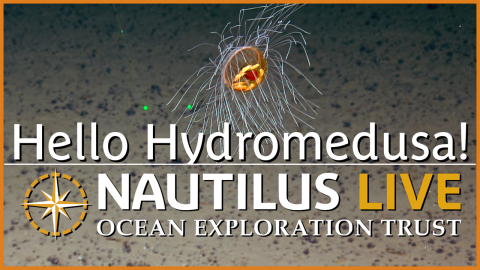
Keep your eyes peeled for creatures at home in this normally totally dark world. Along the dive track, the team encountered the nearly translucent, spherical jellyfish floating in an otherworldly manner across our control camera screens. After that is one of the most flashy organisms in the deep-sea - a ctenophore. Also known as comb jellies for their comb-like rows of iridescent cilia (despite not actually being jellyfish), ctenophores are some of the earliest animals to evolve on Earth. In the video, co-lead scientist and marine biologist Dr. Erik Cordes explains some of what we've learned about these deep-sea invertebrates.
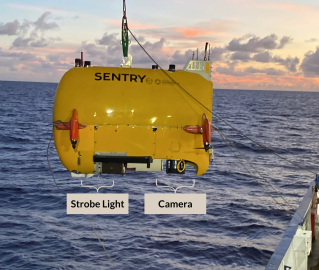
Ocean Exploration Trust's Deep-Sea Habitats in the Mariana Islands I & II (NA179 & NA180) expeditions are primarily supported by NOAA Ocean Exploration via the Ocean Exploration Cooperative Institute, with additional support from the Bureau of Ocean Energy Management for AUV Sentry’s participation.
Deep-Sea Habitats in the Mariana Islands I
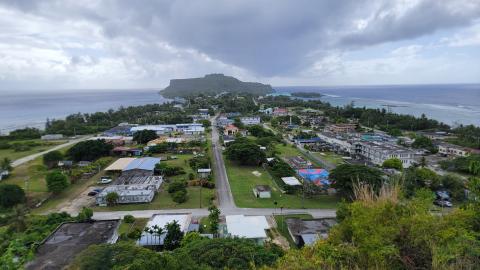
This expedition will focus on exploring the Mariana region- one of the ocean's most tectonically and volcanically dynamic locations, marked by the Earth’s deepest oceanic trench, some of the most active submarine volcanoes, and some of the oldest seafloor on the planet.